


If the pipe bringing water into your home has failed, you need a plumber who understands what Valley Park homes face underground. Beis Plumbing has replaced main water lines across the St. Louis area, and we know how local soil, age of housing stock, and seasonal shifts all play a role in when a line finally gives out. We treat every job like it’s our own home on the line, because trust matters more to us than a quick fix.
Our Services
- Bathtub Installation
- Commercial Plumbing Contractor
- Drain Cleaning
- Drain Pipe Repair
- Emergency Plumber
- Garbage Disposal Installation & Replacement
- Gas Line Repair
- Hydro Jetting
- Main Water Line Replacement
- Plumber
- Plumbing Inspection
- Plumbing Repair
- Sewer Line Repair
- Sewer Line Replacement
- Shower Installation
- Sink Installation
- Sump Pump Installation & Replacement
- Sump Pump Repair
- Tankless Water Heater Installation & Repair
- Trenchless Sewer Line Replacement & Repair
- Water Heater Repair
- Water Heater Replacement & Installation
- Water Line Repair & Replacement
- Water Softener Installation
- Water Softener Repair
- Water Softener Service & Maintenance
- Water Treatment Services
- Whole House Water Filter Installation
Contact Us
What Your Neighbors Are Saying About Us
Preston came in and did quality and outstanding work. Very personable, knowledgeable, friendly, courteous and very, professional absolutely loved him! We will be back to Beis!
Kimberly B.
We had our experience with Beis Plumbing. Kyle and Branden were fantastic! They were thorough and knowledgeable. When we need a plumber again, we are calling Beis!
Wendy R.
Beis Plumbing did an amazing job. They responded incredibly fast and were able to schedule me right away. The technician was professional and finished the work quickly.
Yelena V.
Steve arrived promptly, evaluated the problem and fixed the seal, thus stopping the leak!. Steve was exceptional! He was friendly, knowledgeable, efficient and gave excellent service.
Sara W.
Cost was reasonable and they gave me options on repair vs replace. Overall, a great experience and would definitely recommend to anyone needing plumbing work.
Timothy G.
Signs You Need a New Main Water Line
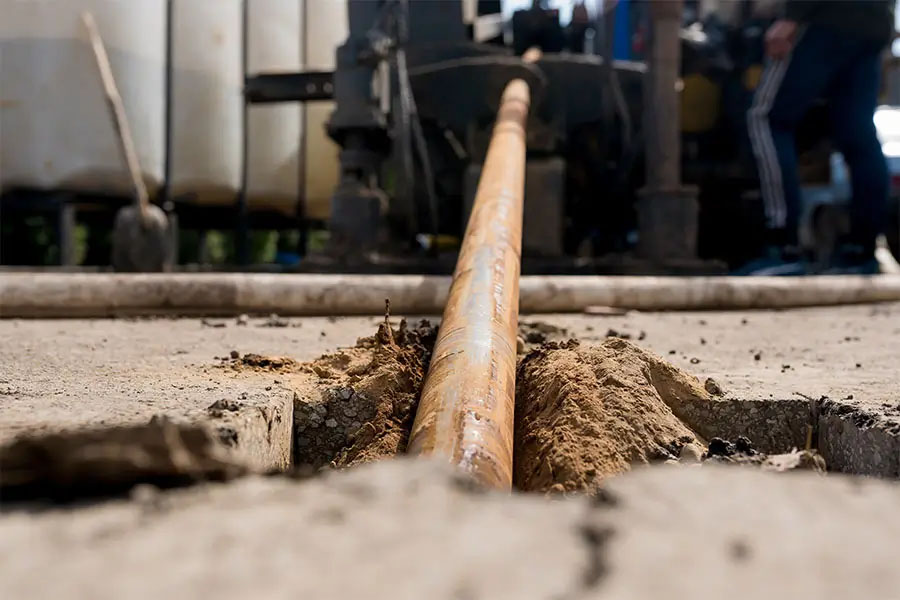
A failing main line rarely announces itself with one obvious symptom. Instead, homeowners usually notice a combination of smaller issues that add up over time. Here are the signs worth paying attention to.
- Low water pressure throughout the house
- Discolored or rusty tap water
- Wet or soggy spots in the yard
- Unexplained spike in water bill
- Sound of running water underground
- Frequent leaks needing repeated repairs
- Water is pooling near the foundation
Common Causes of Main Water Line Failure
Valley Park sits close to the Meramec River, and that proximity means many properties deal with shifting, moisture-heavy soil that puts constant pressure on underground pipes. Over time, this soil movement can stress pipe joints and lead to small cracks that eventually turn into full breaks. Homes on streets with older clay or heavy soil composition tend to see this issue more often than newer developments built on more stable ground.
Age is another major factor. Many homes in this part of Missouri still have original galvanized steel or older copper lines that were installed decades ago. These materials corrode from the inside out, and by the time a leak shows up above ground, the pipe has often been weakening for years. Add in Missouri’s freeze-and-thaw cycles, where the ground contracts in winter and expands in spring, and you get a slow but steady wear pattern that eventually leads to failure.
Tree root intrusion is also common in older Valley Park neighborhoods, where mature trees line the streets. Roots naturally seek out moisture, and a tiny crack in a water line is an easy target. Once a root works its way in, the damage tends to accelerate quickly.
How We Replace Your Main Water Line
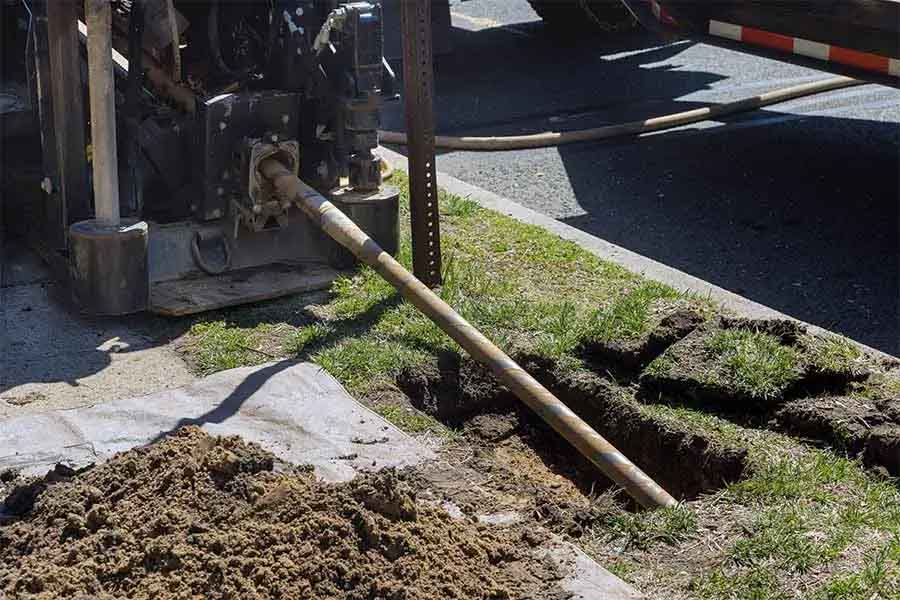
Our process starts with locating the existing line and confirming exactly where the break or deterioration is happening. We use camera inspection equipment to see the real condition of the pipe rather than guessing based on symptoms alone. This step helps us determine whether a full replacement or a trenchless repair makes more sense for your property.
From there, we walk you through the options in plain language, including cost, timeline, and what to expect from the work itself. Once you approve the plan, our team gets to work with as little disruption to your yard and driveway as possible. We use trenchless technology when conditions allow, which means less digging and faster restoration of your property.
After the new line is installed, we test the water flow and pressure to confirm everything is working as it should. We also make sure the work area is cleaned up, and any disturbed landscaping is left in reasonable shape. Our goal is a lasting repair that doesn’t have you calling us back for the same problem next year.
Why Valley Park Homeowners Trust Beis Plumbing
Homeowners in Valley Park keep calling us for main water line work because we back up our promises with real follow-through. Here’s what sets us apart.
- Honest, upfront pricing
- Local knowledge of Valley Park soil
- Licensed and experienced plumbers
- Trenchless options when possible
- Clear communication starts to finish
- Flexible scheduling for busy homeowners
Frequently Asked Questions About Main Water Line Replacement
How long does a main water line replacement take?
Most residential replacements are completed within 1 to 2 days, depending on the length of the line and yard conditions.
Will my yard be torn up during replacement?
Not always, since trenchless methods often allow us to replace the line with minimal digging when conditions permit.
How do I know if I need a repair or a full replacement?
A camera inspection reveals the true condition of the pipe, providing the most reliable way to decide between a targeted repair and a full replacement.
Does insurance cover main water line replacement?
Coverage depends on your policy and the cause of the failure, so we recommend checking directly with your homeowners insurance provider.
What causes most main water line failures in Valley Park?
Aging pipe materials, shifting soil near the Meramec River, and tree root intrusion are the most common culprits we see locally.