


Here’s What Sets Us Apart:
the First Time
and Affordable Pricing
Service
A failing sewer line rarely announces itself all at once. It starts with a drain that takes a little longer to clear, a faint odor near the basement floor drain, or a patch of lawn that stays soggy after everything else has dried out. By the time sewage backs up into a tub or floor drain, the damage underground has usually been building for months. Beis Plumbing helps Ballwin homeowners catch those problems early and fix them for good.
Our sewer line repair service starts with a camera inspection so we can see exactly what is happening inside your pipe before anyone picks up a shovel. From there, we walk you through what we found, explain your repair options in plain terms, and give you an honest recommendation. Whether the fix is a single cracked joint or a full lateral replacement, we handle the work from start to finish, including permits and cleanup.
Many homes in Ballwin are now 45 to 60 years old, which puts their original sewer laterals right in the window where wear starts to show. If your home still has its original line, a little attention now can save you from a much bigger repair later.
Beis Plumbing is excellent at a fair price. Technician Sean was professional, courteous, and efficient. He ran a line and camera through our sewer line and kept me informed all the way. I will definitely use Sean and Beis again.
First time calling Beis Plumbing and I couldn’t be happier. My sewer line backed up while I was doing laundry and water came up around the drain in my basement. Beis was able to come out right away and fix the problem. Everyone I spoke with at Beis were so helpful, communicated well and extremely pleasant. I’ll use them again and recommend them to everyone.
They did a nice job of working through the problem and spoke with the sewer district to help bring them in to solve a problem with the main line. The only issue is that they don’t have great communication during their emergency off hours – not a firm yes we are coming or no we aren’t showing up.
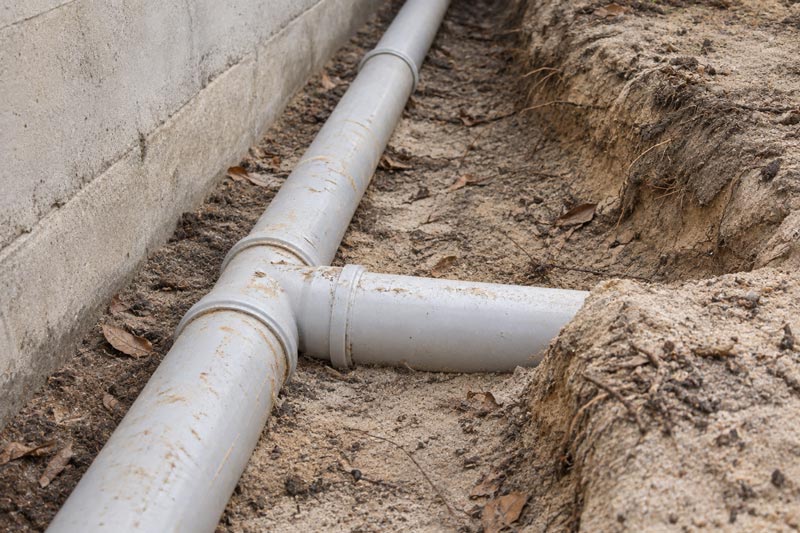
Sewer problems tend to show up in a few predictable ways, and catching them early can keep a small repair from turning into a big one.
If you notice more than one of these in your Ballwin home, especially after a heavy spring rain, it is worth scheduling a camera inspection before the problem gets worse. Knowing what is going on inside the pipe takes the guesswork out of the next step.
Most sewer damage in Ballwin comes down to three things working together, which are the age of the pipe, the soil around it, and what has grown above it. Homes built here in the 1960s and 1970s commonly used vitrified clay or cast iron for the sewer lateral. Clay pipe is durable, but it was laid in short sections with a joint every few feet, and each joint is a weak point. Cast iron holds up better at the joints but slowly corrodes from the inside, leaving rough, flaking walls that catch waste.
The ground adds its own stress. Much of west St. Louis County sits on clay-heavy soil that swells when saturated and shrinks during dry stretches. That constant movement can shift pipe sections out of alignment, creating offset joints or low spots called bellies where water and waste settle. Ballwin’s rolling terrain, with many homes built on slopes that drain toward area creeks like Fishpot Creek, can make settling worse on the downhill side of a lot.
Weather plays a part too. Missouri winters bring repeated freeze and thaw cycles, and summers can swing from heavy storms to dry spells in a matter of weeks. Over decades, that back and forth wears on older pipe, and mature trees searching for water only add to the strain.
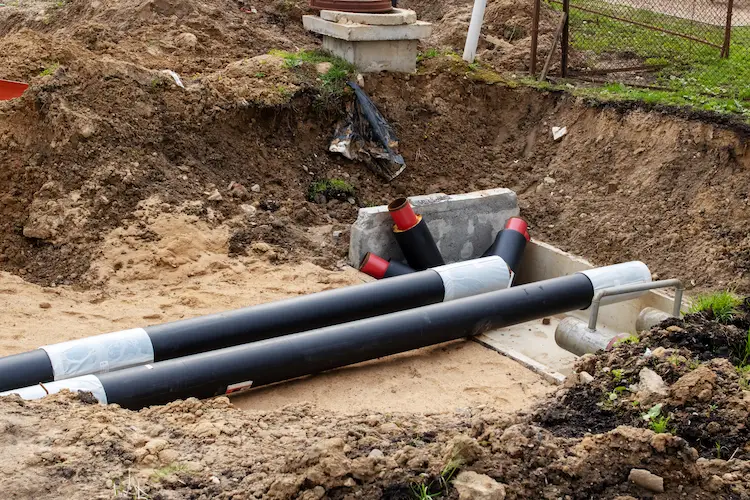
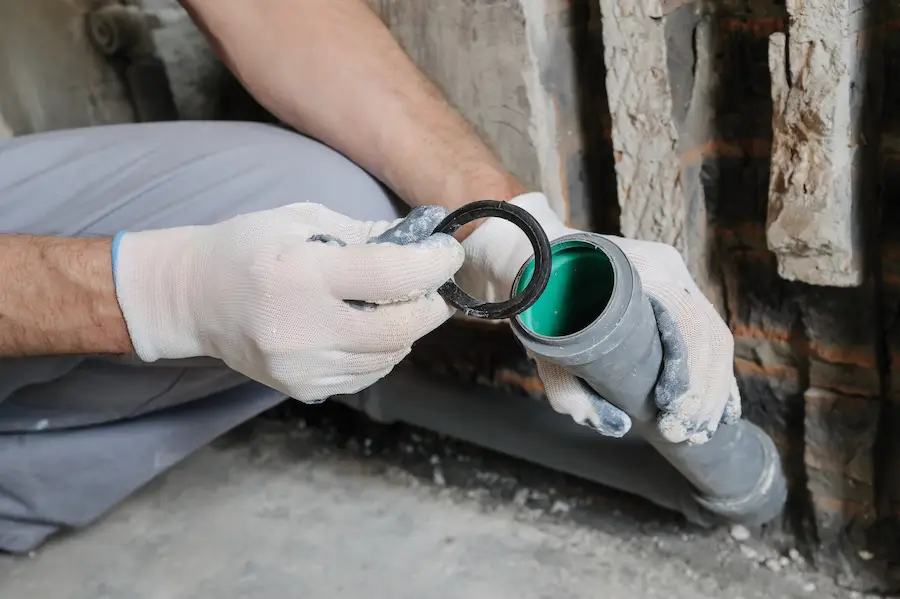
Every repair we do in Ballwin starts with a sewer camera inspection. We run a waterproof camera through your line to locate breaks, root masses, offsets, and sags, then mark the exact location and depth from the surface. That way, the repair plan is based on what is actually in the ground, not a guess.
For localized damage like a single cracked section or a separated joint, a spot repair is often the most practical choice. We dig only where the problem is, replace the damaged section with modern PVC, and restore the area. This approach works well when the rest of the line is in decent shape.
When the pipe is still structurally intact but has cracks, leaking joints, or recurring root entry, trenchless pipe lining may be an option. A resin-coated liner is pulled into the existing pipe and cured in place, creating a smooth, jointless pipe inside the old one. It is a good fit for yards with mature landscaping, driveways, or patios you would rather not tear up.
If the line has collapsed, is badly bellied, or is failing from end to end, full replacement is usually the better long-term investment. We will tell you honestly which option makes sense for your home and why, and we never push a bigger job than you need.
If there is one sewer problem we see over and over in Ballwin, it is tree roots growing into older clay sewer laterals. Many established subdivisions, including Claymont, Westglen Village, and Oak Tree Estates, were built in the 1960s and 1970s with clay pipe. The trees planted when those homes were new now have root systems that stretch well past the front yard, and they are drawn to the moisture that seeps from tiny gaps at the pipe joints.
Once a hair-thin root gets inside, it feeds on the steady flow of water and grows into a dense mat that snags paper and waste. Clay soil makes things worse. As the ground swells and shrinks through wet springs and dry summers, joints shift just enough to let more roots in. Homeowners often get the line snaked, enjoy a few months of normal flow, and then face the same backup again because the roots were cut but never stopped.
Picture a homeowner named Dave in Claymont whose basement floor drain backs up every spring like clockwork. A camera inspection on a line like his typically shows roots entering at several joints between the house and the street. In that situation, we clear the roots with a hydro jetter or cutting head, check the pipe for cracks or offsets the roots have caused, and then talk through a lasting fix. That may mean lining the affected section so roots have no joint to enter, or replacing it with jointless PVC if the clay is too far gone.
We also look at what is growing above the line. Knowing where your lateral runs helps you plan future plantings so the next generation of trees does not cause the same headache.
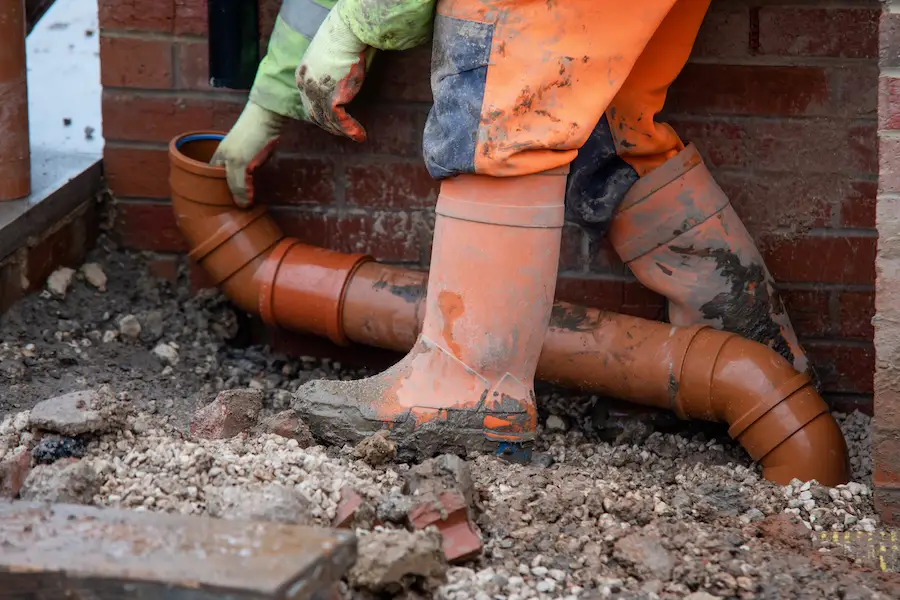
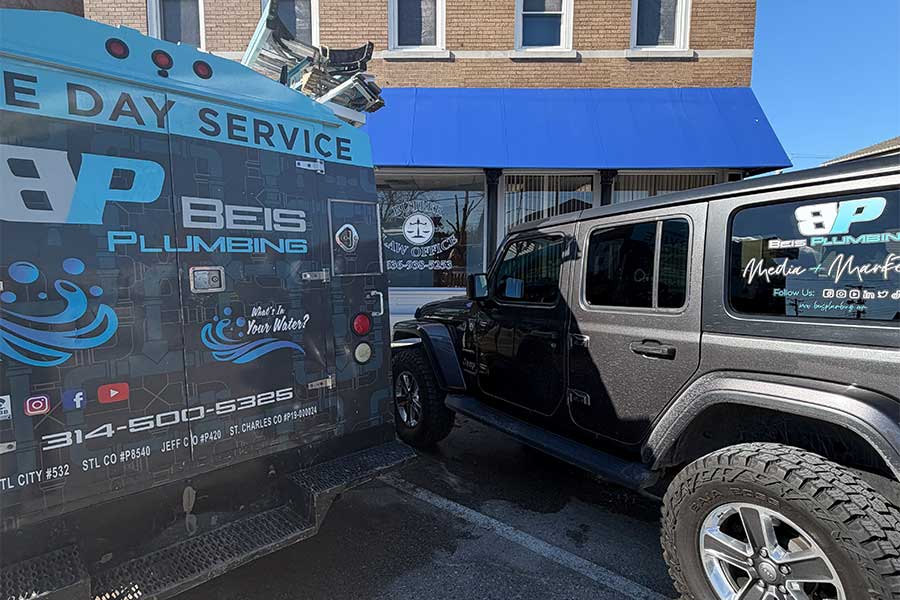
Ballwin homeowners have plenty of plumbers to choose from, so here is what sets our team apart when it comes to sewer work.
We know a sewer repair is not a fun expense, and we treat your home and your budget with respect from the first call to the final walkthrough. Give Beis Plumbing a call when your Ballwin sewer line starts acting up.
Slow drains or backups that keep coming back a few months after snaking are a strong sign of roots, and a camera inspection can confirm it.
It often is when the existing pipe is still structurally sound, and a camera inspection will show whether lining is a good fit for your line.
In most of St. Louis County, the homeowner owns the private sewer lateral that runs from the house to the public sewer main.
Many spot repairs and lining jobs are finished in a day, while full replacements can take longer depending on the depth, length, and what sits above the line.
Yes, a blocked or broken lateral can push sewage and water back up through your basement floor drain, especially during heavy rain.
We use cookies to improve your experience on our site. By using our site, you consent to cookies.
Manage your cookie preferences below:
Essential cookies enable basic functions and are necessary for the proper function of the website.
You can find more information in our Cookie Policy and .