
Key Points
- The five most common causes of a leaking garbage disposal are worn gaskets/seals, loose mounting bolts, cracks in the unit, a leaking dishwasher connection, or faulty drain lines — each requires a different fix.
- According to the EPA, fixing leaks promptly can save thousands of gallons of water each year — a small disposal leak left unaddressed adds up quickly.
- Where the leak originates tells you what’s wrong — leaks from the top usually mean the sink flange seal has failed, leaks from the side point to a cracked unit, and leaks from the bottom typically mean worn internal seals.
- Fixing a leaking disposal is a 5-step process: cut power at the breaker, inspect for cracks and loose connections, tighten bolts and replace gaskets, check dishwasher/drain connections, then test by running water.
- A crack in the disposal unit itself cannot be repaired — if you locate a crack in the metal housing, the unit needs replacement rather than a patch fix.
- Most garbage disposals last 8–12 years — if yours is leaking and older than that, replacement is often more cost-effective than repeated repairs.
- Contact Beis Plumbing for fast, reliable garbage disposal repair throughout the St. Louis area.
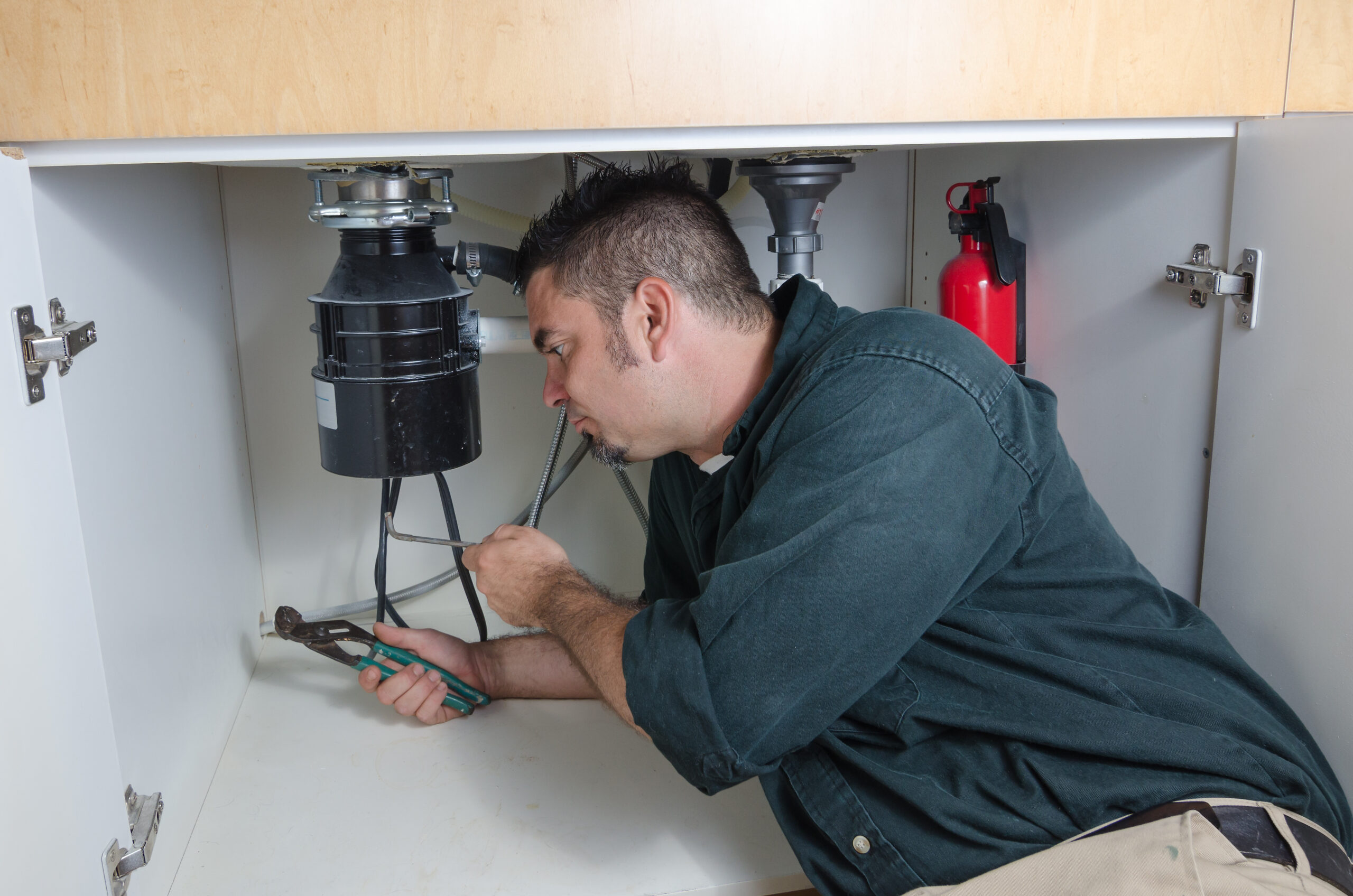
A leaking garbage disposal can quickly turn into a kitchen disaster if not addressed promptly. Knowing how to fix a leaking garbage disposal can save you from water damage, foul odors, and costly repairs. Beis Plumbing, serving the St. Louis area, shares expert tips on identifying, fixing, and preventing a leaking garbage disposal.
Common Causes of a Leaking Garbage Disposal
Understanding why your garbage disposal is leaking is the first step to a solution. According to the Angi, the most common causes include:
- Worn-out gaskets or seals
- Loose mounting bolts
- Cracks in the disposal unit
- Leaking dishwasher connection
- Faulty drain lines
Ignoring a leaking garbage disposal can lead to mold growth and structural damage in your kitchen. Most garbage disposal leaks start small but can quickly worsen, causing water damage to cabinets, flooring, and surrounding areas. If you notice any signs of leaking, it’s important to address the issue promptly to prevent costly repairs and potential health hazards from mold and bacteria growth.
Where the leak is coming from tells you what to check first:
- Leaking from the top of the unit — almost always means the seal between the sink flange and the disposal has failed; this is one of the most common and easiest leaks to fix yourself
- Leaking from the side of the unit — often points to a crack in the disposal housing itself, which generally means the unit needs to be replaced rather than repaired
- Leaking from the bottom of the unit — typically indicates worn internal seals near the reset button or where internal components connect; this can sometimes be repaired, but recurring bottom leaks often signal the unit is reaching the end of its lifespan
- Leaking from the dishwasher connection — the hose or clamp connecting the dishwasher drain to the disposal has loosened or degraded; tightening or replacing the connection usually resolves this
- Leaking from the drainpipe — the issue may not be the disposal at all, but rather the drain pipe fittings below it; check these connections separately from the disposal itself
How to Fix a Leaking Garbage Disposal
If you notice water under your sink, follow these steps to fix a leaking garbage disposal:
- Turn off the power to the disposal at the circuit breaker
- Inspect the unit for visible cracks or loose connections
- Tighten mounting bolts and replace worn gaskets
- Check the dishwasher and drain line connections
- Test for leaks by running water through the disposal
According to the EPA, fixing leaks promptly can save thousands of gallons of water each year.
A simple test to confirm exactly where the leak originates: Place dry paper towels around different sections of the disposal — the top flange, the sides, the bottom, and each connection point. Run water through the disposal and check the paper towels after a minute. The first one that gets wet tells you precisely where to focus your repair, saving you from disassembling parts that aren’t actually the problem.
A note on mounting bolts: Garbage disposal units are typically secured to the sink flange with three mounting bolts on a rotating ring. If the unit feels loose or wobbles when touched, these bolts likely need tightening — but turn the ring in the tightening direction indicated in your unit’s manual, since some models tighten clockwise and others counterclockwise.
When to Call a Professional Plumber
If your leaking garbage disposal persists after basic repairs, it may be time to call a professional. Beis Plumbing can diagnose and fix complex issues, including unit replacement or major plumbing repairs. For more information, visit their Plumbing Services page.
Signs that point to a professional repair rather than continued DIY troubleshooting:
- A visible crack in the metal housing of the disposal — this cannot be patched or sealed and requires unit replacement
- The leak persists even after replacing the gasket and tightening all mounting bolts
- The disposal is more than 8–10 years old, since internal seals and components degrade with age and may fail again shortly after a DIY repair
- You notice rust or corrosion on the unit, which often indicates the metal housing itself is deteriorating
- The leak is accompanied by unusual noises, burning smells, or the disposal failing to run properly — these suggest an electrical or motor issue beyond a simple seal replacement
Preventing Future Garbage Disposal Leaks
To avoid a leaking garbage disposal in the future, Beis Plumbing recommends:
- Running cold water while using the disposal
- Avoiding putting grease, bones, or fibrous foods down the drain
- Cleaning the disposal regularly with baking soda and vinegar
- Scheduling annual plumbing inspections
Why these habits prevent leaks, not just clogs: Many homeowners think of these tips purely as clog prevention, but they directly reduce leak risk too. Grease and food debris that accumulate inside the disposal add stress to seals and gaskets over time, while excess vibration from grinding hard items (like bones) can loosen mounting bolts and crack internal components. The same habits that keep your disposal clog-free also extend the life of its seals and housing.
Key Takeaways
A leaking garbage disposal is most commonly caused by worn gaskets, loose mounting bolts, a cracked housing, a failed dishwasher connection, or faulty drain lines — and where the leak originates (top, side, bottom, or a connection point) tells you exactly which cause applies. The fix follows five steps: cut power, inspect, tighten and replace parts, check connections, and test with running water. A crack in the unit itself can’t be repaired and means replacement is needed. Call a professional if the leak persists after a proper repair, the unit is over 8–10 years old, or you notice rust, unusual noises, or electrical issues. Contact Beis Plumbing for fast, reliable garbage disposal repair throughout the St. Louis area.
Contact Beis Plumbing for Garbage Disposal Repairs
If you have a leaking garbage disposal and need fast, reliable repairs, contact Beis Plumbing for expert service in the St. Louis area.