
Key Points
- Six warning signs of a gas line problem: rotten egg smell, hissing sounds near gas appliances, dying houseplants, higher than normal gas bills, physical symptoms of exposure, and visible damage to gas lines.
- Natural gas is odorless by itself — utility companies add mercaptan (a sulfur compound) specifically so homeowners can detect leaks by smell. If you detect that rotten egg odor anywhere in your home, treat it as an emergency immediately.
- According to the U.S. Pipeline and Hazardous Materials Safety Administration, natural gas incidents cause hundreds of injuries and significant property damage annually — the vast majority are preventable with early detection and prompt professional response.
- If you suspect an active gas leak: evacuate immediately, do not use any electrical devices or switches, do not use your phone until you are outside, shut off the main gas valve only if it is safe to reach, then call for help from a safe distance.
- Physical symptoms like dizziness, nausea, headaches, and fatigue affecting multiple household members simultaneously are a medical and safety emergency — leave the home immediately and do not re-enter until cleared by professionals.
- Never attempt DIY gas line repairs — gas line work requires licensed professional expertise, and incorrect repairs can create dangerous or fatal conditions.
- Contact Beis Plumbing for fast, reliable gas line repair and inspection services.
A gas line issue is a serious safety concern that requires immediate attention. Whether you rely on natural gas for heating, cooking, or water heating, recognizing the warning signs of a gas leak or damaged line can prevent dangerous situations. Here’s how to know when you need a gas line repair.
Common Signs of a Gas Line Problem
Gas line problems range from slow undetected leaks to sudden failures — and the earlier you catch them, the safer the outcome. Here are the six most important warning signs to know.
Sign 1: Rotten Egg Smell
Utility companies add mercaptan to natural gas to give it a distinct sulfur or rotten egg odor. If you notice this smell in your home, it could indicate a gas leak that needs urgent professional attention.
Treat any gas odor as an emergency — no exceptions: The rotten egg smell added to natural gas is specifically designed to be detectable at very low concentrations — well below the level at which gas becomes dangerous. This means if you can smell it, there’s enough gas present to warrant immediate action. Don’t try to find the source, don’t open windows thinking that will solve it, and don’t assume it’s a minor issue. Follow the evacuation steps in this article and contact your gas company and a licensed gas line repair professional immediately. If the odor is faint and intermittent rather than strong and constant, it still warrants a professional inspection — intermittent odors often indicate a small leak that will worsen over time.
Sign 2: Hissing Sounds Near Gas Appliances
A hissing or whistling sound near your gas stove, water heater, or gas lines may suggest a leak. Even a small leak can be hazardous and should be inspected immediately by a licensed professional.
Where to listen — and what to do when you hear it: Hissing sounds near gas appliances are produced by gas escaping under pressure through a small gap or crack in the line or connection. Listen near the connections behind your gas range, at the supply line to your water heater, at outdoor meter connections, and at any visible gas line segments. If you hear hissing, do not try to find the exact location by touch or with an open flame — both are dangerous. Move everyone out of the area and contact your gas company and Beis Plumbing for an emergency inspection. A hissing sound that stops when you turn off an appliance may indicate a faulty valve on that appliance rather than the supply line itself — still warrants professional evaluation.
Sign 3: Dying Houseplants
If your indoor plants are wilting or dying unexpectedly, it might be due to a gas leak. Exposure to natural gas can reduce oxygen levels in the air, affecting plant health before the leak becomes noticeable to humans.
Why plants are a canary in the coal mine for gas leaks: Plants are sensitive to changes in air composition at concentrations that humans may not immediately detect. If you notice plants wilting or yellowing in a specific area of your home — particularly near gas appliances or along the route of a gas line — while plants elsewhere in the home are fine, this spatial pattern is a meaningful signal. Eliminate obvious causes first (under-watering, overwatering, lack of light), and if those don’t explain the pattern, a gas leak inspection is warranted. Combined with any other sign on this list, unexplained plant decline should be taken seriously.
Sign 4: Higher Than Normal Gas Bills
An unexplained increase in your gas bill could be a sign of an undetected leak in your system. If your usage hasn’t changed but costs are rising, a professional gas line inspection is recommended.
How to evaluate whether your bill increase is a leak signal: First, rule out legitimate causes — colder weather increases heating demand, a new gas appliance increases consumption, and rate increases from your utility provider raise bills without any change in usage. If none of these apply and your bill has increased by 15% or more without explanation, a slow leak is a realistic possibility. Unlike a large leak that’s immediately detectable by smell, slow leaks may not produce a strong odor — but they register on your meter. A licensed gas line repair technician can perform a pressure test on your gas lines to confirm whether gas is escaping the system at a rate that explains the billing increase.
Sign 5: Physical Symptoms of Exposure
Exposure to natural gas leaks can cause symptoms such as:
- Dizziness
- Nausea
- Headaches
- Fatigue
If multiple people in your home experience these symptoms simultaneously, leave the area immediately and seek professional help.
Why simultaneous symptoms in multiple people is the critical signal: Individual symptoms like headaches or fatigue have many possible causes. But when two or more people in the same household develop the same symptoms at the same time — and feel better after spending time outdoors — the shared environment is almost certainly the cause. Carbon monoxide and natural gas both cause these symptoms, which is why having both a CO detector and being alert to gas odors is important. If you or household members experience simultaneous symptoms: leave the home immediately, call 911 from outside, and do not re-enter until emergency responders confirm it is safe. After the immediate crisis is resolved, contact Beis Plumbing for a thorough gas line inspection and repair.
Sign 6: Visible Damage to Gas Lines
Cracked, corroded, or damaged gas lines should never be ignored. If you see signs of wear or suspect damage after a storm or construction work, have a plumber inspect your gas system right away.
What visible damage looks like and when to expect it: Visible gas line damage includes rust or corrosion on metal pipe sections, cracked or degraded flexible connectors behind appliances, kinked or crimped supply lines, and physical damage to exposed pipe from impacts, excavation, or construction. After any significant storm, earthquake, or nearby excavation work, a visual inspection of all accessible gas lines is a good practice — ground movement and vibration can shift connections and create small leaks that weren’t present before. Contact Beis Plumbing for a gas line inspection after any event that may have stressed your home’s gas system.
What to Do If You Suspect a Gas Leak
If you believe there is a gas leak in your home, follow these critical steps immediately:
- Evacuate immediately — leave the house and ensure all occupants, including pets, do the same
- Do not use electrical devices — avoid turning on lights, appliances, or even using your phone indoors; electrical sparks can ignite gas
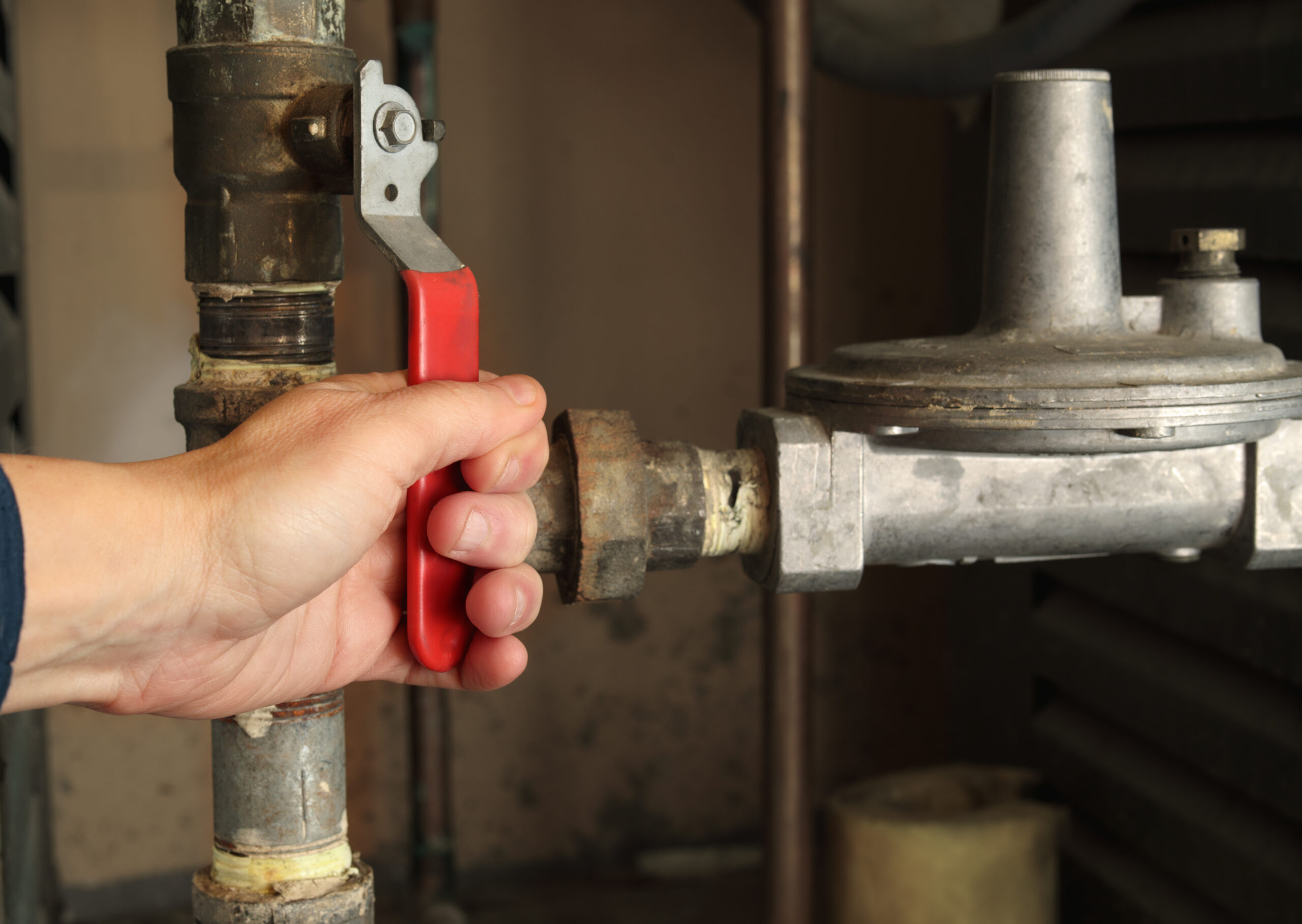
- Shut off the gas supply — if it is safe to reach the main gas valve without going back through the affected area, turn it off; if not, leave it and get out
- Call for help from a safe location — contact your gas company or emergency services (911) once you are outside and away from the building
One additional step often missed: Once you are safely outside, leave your front door or a window open if you can do so safely on your way out — this helps ventilate the home while you wait for emergency responders. Do not re-enter the home for any reason until the gas company or fire department has confirmed it is safe.
Preventing Gas Line Issues
To keep your gas system in good condition, follow these safety practices:
- Schedule annual gas line inspections by a licensed plumber — proactive inspection catches developing corrosion, connection wear, and pressure irregularities before they become leaks
- Never attempt DIY gas repairs — always hire a licensed professional; gas line connections require specific tools, materials, and code compliance that DIY work cannot ensure
- Install carbon monoxide detectors on every level of your home to alert you to dangerous leaks — test them monthly and replace batteries annually
- Be cautious when digging in your yard — call 811 (the national “Call Before You Dig” number) before any excavation to have underground utilities marked; striking a gas line during digging is one of the most common causes of gas line emergencies
Beis Plumbing also offers plumbing repair and emergency plumber services alongside gas line work — so if a gas line incident has affected other parts of your plumbing system, we can address everything in a single visit.
Key Takeaways
Six warning signs indicate a gas line problem: rotten egg odor (always treat as an emergency — never investigate and wait), hissing sounds near appliances (do not touch or flame-test — evacuate and call), dying houseplants concentrated near gas appliances or lines, unexplained gas bill increases of 15%+ without a legitimate cause, simultaneous physical symptoms in multiple household members (leave immediately and call 911), and visible pipe corrosion or damage after storms or construction. If an active leak is suspected: evacuate, avoid all electrical switches, shut off the main gas valve only if safely accessible, and call for help from outside. Never attempt DIY gas repairs. Annual professional inspections are the most effective prevention measure available. Contact Beis Plumbing for fast, reliable gas line repair and inspection.
Call a Professional for Gas Line Repair
If you suspect a gas line issue, Beis Plumbing is here to help. Our expert technicians provide fast, reliable gas line repairs to keep your home safe. Contact us today for an inspection and peace of mind.