
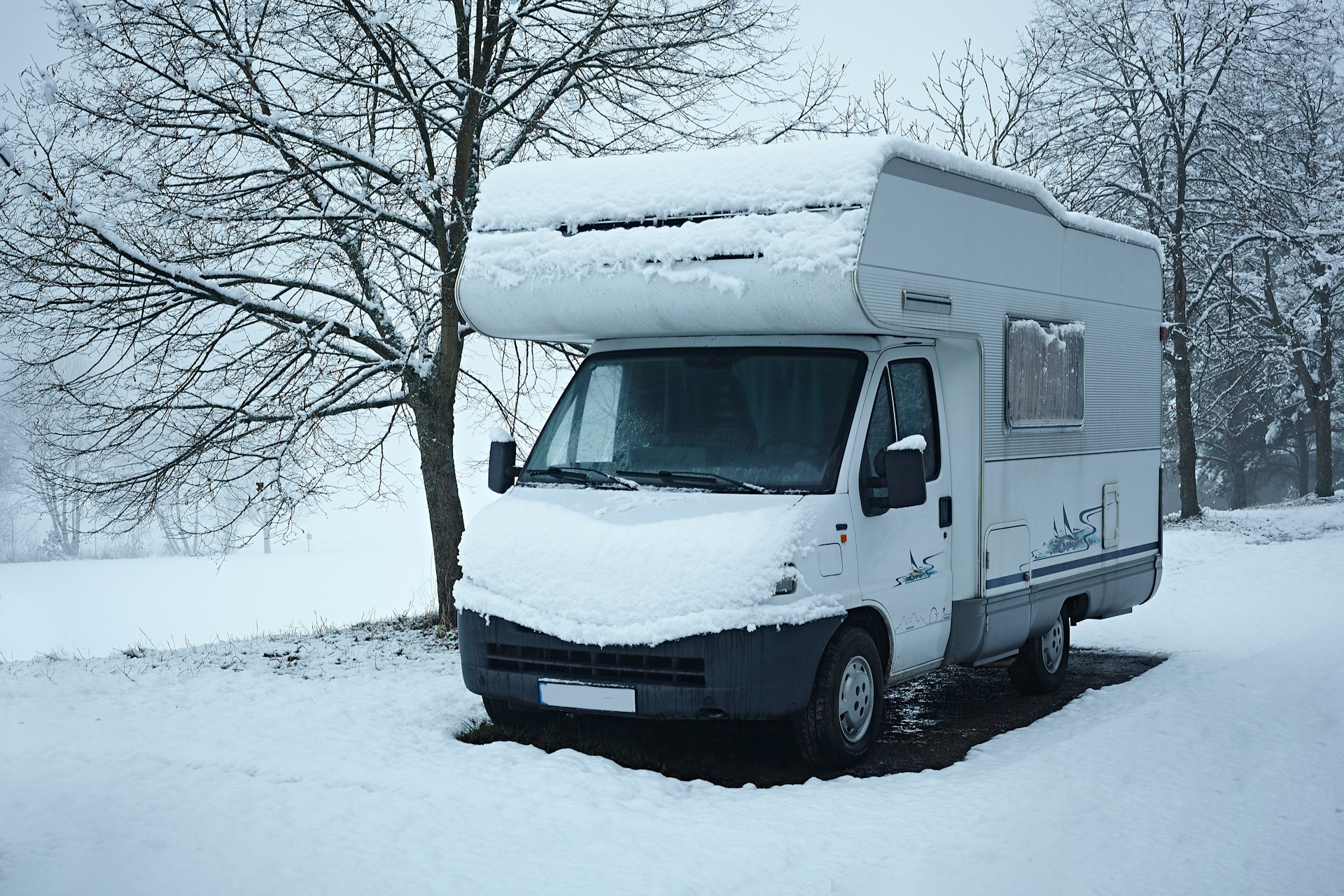
If you are wondering how to winterize a camper without damaging your plumbing, you are already ahead of many RV owners. A little prep now can protect your rig and help you avoid costly repairs when camping season returns.
Why learning how to winterize a camper matters
When water freezes inside pipes it expands, builds pressure, and can crack lines or water heaters. Officials estimate that about a quarter-million homes are damaged each winter by frozen water pipes, and even a tiny crack can leak hundreds of gallons a day. Michigan’s guide to preventing frozen pipes at home shows how quickly that damage adds up.
That same freezing pressure can devastate your camper’s plumbing. Learning how to winterize a camper helps protect:
- Water tanks and supply lines
- Faucets, the water pump, and the water heater
If you have ever dealt with frozen pipe repair, you already know how quickly winter damage can add up.
Step-by-step: how to winterize a camper plumbing system
1. Drain every drop of water
The first rule of how to winterize a camper is simple: water out, then antifreeze in. Turn off and cool the water heater, open the low-point drains and fresh-water tank, open every faucet, and flush the toilet until water stops.
Let everything drain so there is no standing water in your lines. To understand why this matters, review our guide on how to avoid needing a burst pipe repair.
For your house plumbing, the U.S. Department of Energy offers tips for avoiding frozen pipes and heat loss in winter that match the steps you are taking on your camper.
2. Bypass and empty the water heater
Set the water-heater bypass so you do not waste antifreeze, then remove the drain plug or anode rod, let the tank empty, and leave the plug out until spring.
If your home water heater needs attention, our team that handles water heater repair in St. Louis can keep your system running efficiently through the cold months.
3. Pump RV antifreeze through the system
Now comes the most important part of how to winterize a camper safely: replacing any remaining water with RV antifreeze.
- Use the winterizing pickup tube or a pump-converter kit to draw antifreeze from the jug.
- Turn on the pump and open each faucet one at a time until you see solid pink fluid.
- Remember fixtures such as outside showers or washer hookups.
- Pour a cup of antifreeze into each drain and a few cups into the toilet to protect the tanks and seals.
Winterization is also a good time to think about water quality. The CDC offers guidance on keeping RV water systems clean and safe to drink, from how you fill your tank to what comes out of the tap.
Beyond plumbing: how to winterize a camper inside and out
A solid plumbing job is only part of how to winterize a camper. Remove liquids that can freeze, seal windows and roof vents, and use a breathable RV cover if you have one. To protect your home as well, read our basement flooding prevention guide.
Get help winterizing your camper
If this process feels overwhelming or you are short on time, you do not have to handle how to winterize a camper alone. Our RV maintenance specialists can manage the full winterization process.
If you find leaks or other issues while you work, our plumbing repair services near Eureka, Missouri are ready to help. Contact Beis Plumbing today to schedule your professional camper winterization before the first hard freeze hits!