Categories Plumber

What Does It Mean To Winterize Pipes? 7 Tips for Winterization

winterize pipes

With lower temperatures, the risk of frozen pipes becomes a real concern for homeowners. To avoid the costly damage that can result from freezing and bursting, it’s essential to winterize pipes before the cold truly sets in.

But what does it mean to “winterize” pipes? In simple terms, winterizing is a set of steps to protect your plumbing from freezing temperatures, ensuring water continues flowing safely through your home.

Here are seven essential tips to help you winterize your pipes and keep your plumbing in top shape through the cold months.

1. Insulate Exposed Pipes

Pipes in unheated areas like basements, attics, garages, and crawl spaces are at the highest risk of freezing. To keep them warm, wrap them in foam pipe insulation—it’s affordable, easy to install, and makes a big difference.

For pipes that have caused trouble in past winters, heat tape is a solid option to add extra warmth where it’s needed most.

2. Disconnect and Drain Outdoor Hoses

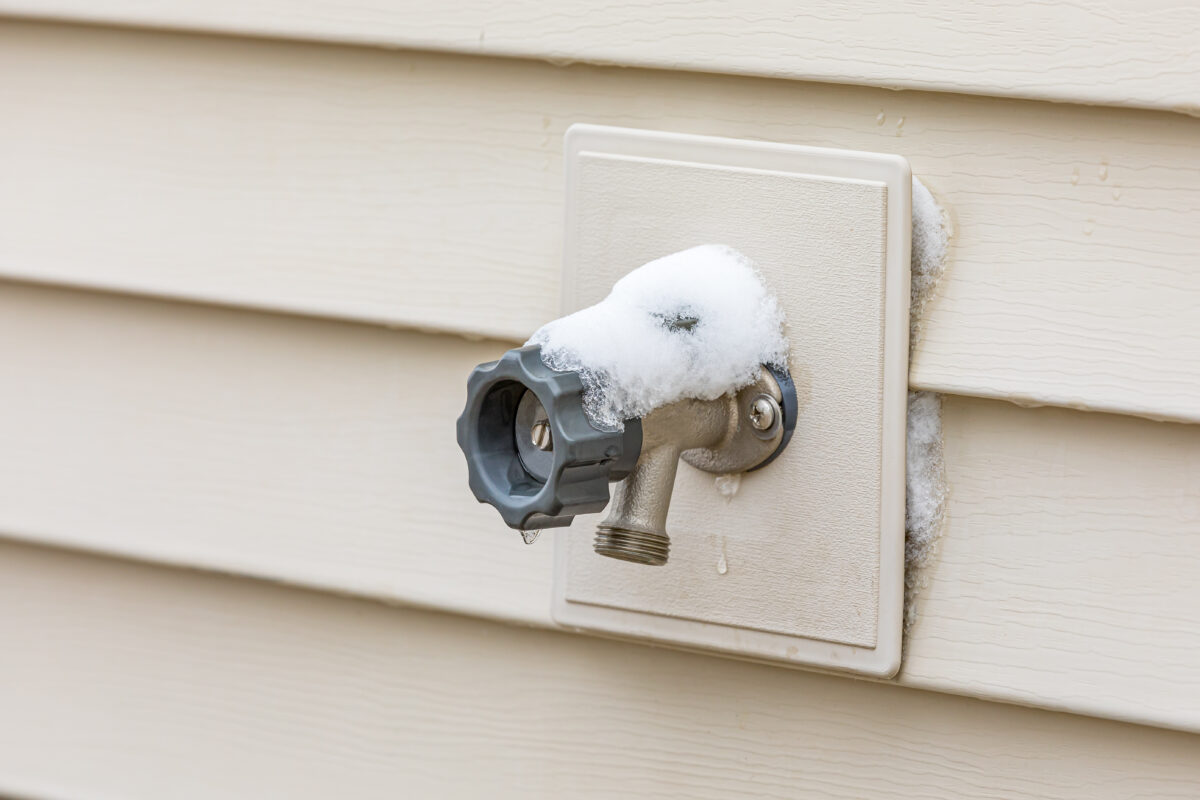
It’s easy to overlook, but leaving hoses attached to outdoor faucets can be a big mistake in winter. Any water trapped inside can freeze, expand, and damage your faucet or connected pipes. Disconnect all hoses, let them drain completely, and store them indoors.

If possible, turn off the water supply to outdoor faucets and open them up to drain any last drops.

3. Seal Gaps and Cracks

Even the smallest gaps around pipes can quickly let in cold air, leading to frozen pipes. Check around areas where pipes enter and exit your home and seal any gaps with caulk or expanding foam. 

Not only does this keep pipes warmer, but it also keeps your home more energy-efficient—a win-win!

4. Keep your Home’s Thermostat Consistent

Set your thermostat at a consistent temperature, day and night, to keep your entire home (and your pipes) safe. If you’re heading out for a winter vacation, don’t let the temperature drop below 55°F, even if no one’s home. 

Keeping the house warm can be the difference between a peaceful winter and a pricey pipe repair.

5. Open Cabinet Doors in Kitchens and Bathrooms

If your kitchen or bathroom pipes run along exterior walls, they’re at a higher risk of freezing. Open those cabinet doors on especially cold nights to let warm air circulate around the pipes. 

It’s an easy step that can go a long way toward keeping everything running smoothly.

6. Let Faucets Drip on Freezing Nights

On the coldest nights, let your faucets drip a bit. Keeping water moving through the pipes prevents them from freezing. This tip is particularly helpful for pipes in unheated areas or spaces that tend to get chilly.

7. Know How to Shut Off the Main Water Valve

If a pipe does freeze and burst, you’ll want to act fast to minimize water damage. Knowing where your main water shut-off valve is (and how to use it) can be a huge help in an emergency.

Make sure it’s accessible and everyone in the house knows where to find it.

Winterize Pipes for a Worry-Free Winter

Winterizing your pipes is a small task that makes a big difference. By taking these steps now, you’re setting yourself up for a winter free of plumbing hassles and frozen pipe worries.

If you’d like some extra help, contact us at Beis Plumbing. We’re here to make sure your home stays warm, safe, and ready to take on the winter.

Categories Plumber

How Long Do Water Heaters Last?

How Long Do Hot Water Heaters Last?

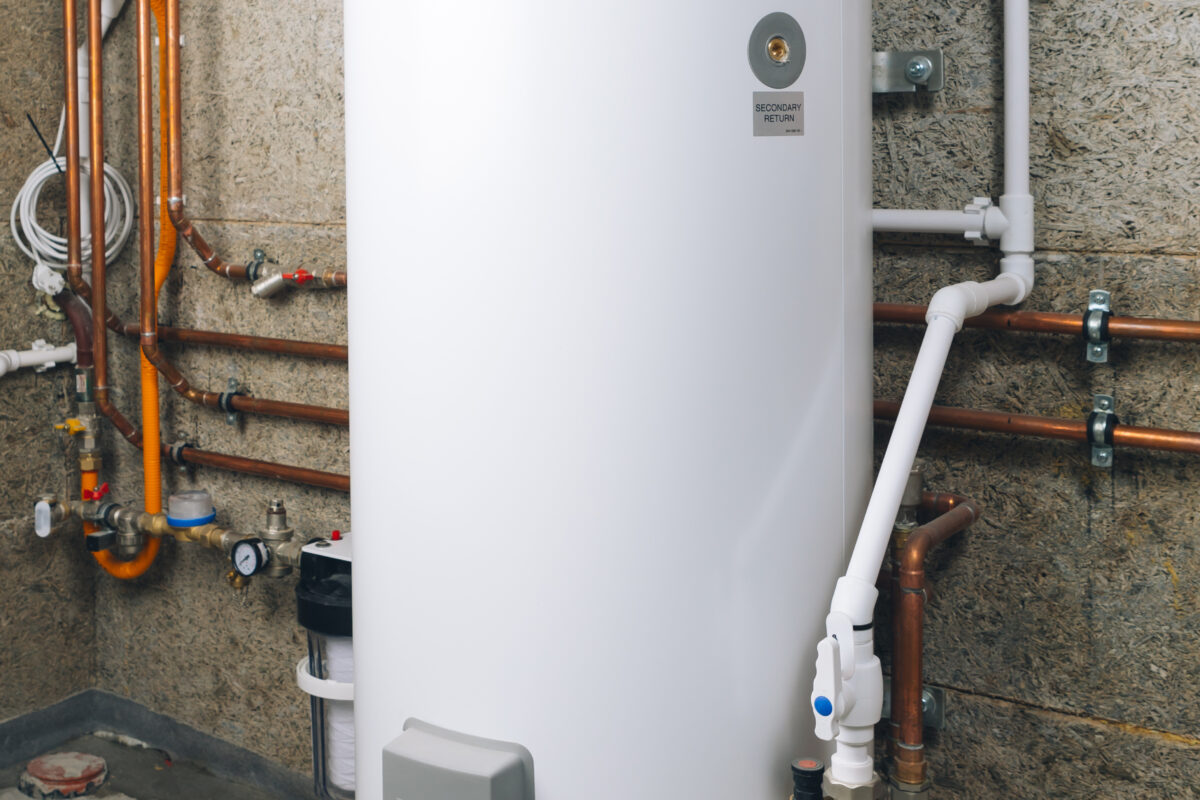
A reliable water heater is one of those household items you rarely think about—until it stops working. Then, suddenly, it’s front and center. So, how long do water heaters last? Well, on average, a traditional tank-style water heater will give you about 8 to 12 years of service.

But there’s more to it than just the number of years. The type of heater, water quality, how often it’s used, and how well it’s maintained all play a role in how long your unit will last.

Let’s break down everything you need to know to help you keep your hot water flowing and avoid those dreaded cold showers!

What Affects the Lifespan of a Water Heater?

Several factors determine how long water heaters will last. While the average lifespan for a tank-style model is 8 to 12 years, here’s what can influence that timeframe.

Type of Heater

The type of water heater you have is one of the biggest factors in its lifespan. Traditional tank water heaters typically last around a decade, while tankless water heaters can last up to 20 years. Since tankless units don’t store water, there’s less wear and tear on the system, making them more durable.

Water Quality

The quality of your water can either help or hurt your heater’s lifespan. If you have hard water (high in minerals like calcium and magnesium), you’re likely to get more sediment build-up in the tank. Over time, this reduces efficiency and can cause your heater to wear out faster.

Usage Patterns

How often you use your water heater will affect how long it lasts. A busy household with a large family will naturally put more demand on the system than a single-occupant home. The more frequently the system is used, the more wear and tear it will experience, which can shorten its lifespan.

Signs It’s Time to Replace Your Water Heater

Is your water heater over 10 years old? There’s a good chance it needs replacing. Look out for:

  • Rusty water
  • Inconsistent temperatures
  • Strange noises
  • Leaks around the unit

These are clear signals your water heater is wearing out and could fail soon. Don’t wait for a total breakdown—replace it before it leaves you without hot water!

How to Extend the Life of Your Water Heater

While every water heater will eventually need to be replaced, there are some easy steps you can take to help it last as long as possible:

  • Flush the Tank Annually: Over time, sediment settles at the bottom of the tank, making the heater less efficient. Flushing the tank every year helps keep it running smoothly.
  • Check the Anode Rod: The anode rod is critical for preventing corrosion inside the tank. Make it a habit to check the rod every few years and replace it as needed. A new rod costs much less than a new water heater!
  • Install a Water Softener: If you have hard water, using a water softener can help prevent mineral buildup inside the tank and keep your heater working longer.
  • Monitor Usage: If your family’s hot water demand has increased—maybe the kids are using more, or you’ve added another bathroom—consider upgrading to a larger or more efficient unit to avoid overworking your current heater.

Conclusion

Paying attention to maintenance and watching for signs of trouble can help extend the life of your unit and save you from unexpected cold showers. 

If your water heater is reaching the end of its life or showing any warning signs, it might be time to think about a replacement. For expert advice, installations, or repairs, contact us at Beis Plumbing today. Our team is here to help you keep the hot water flowing reliably in your home!