Categories Plumber

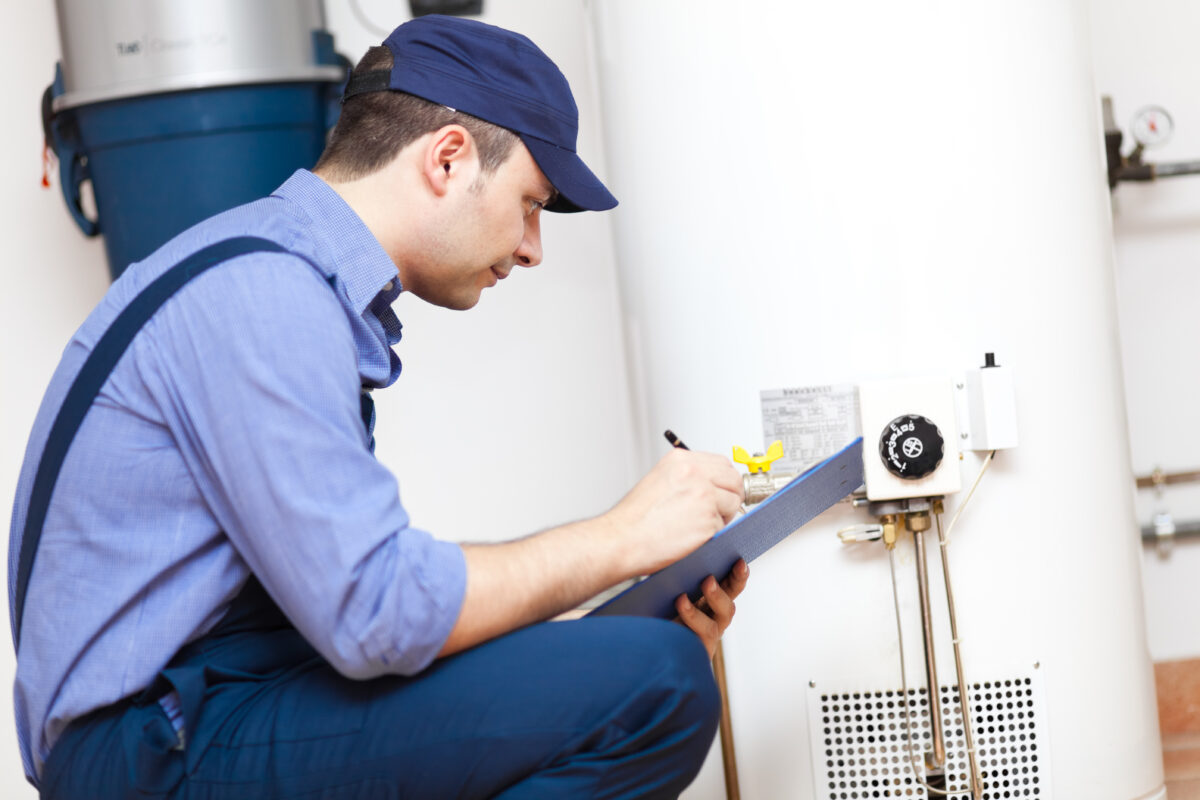
Why Tankless Water Heater Maintenance is Crucial

tankless water heater maintenance

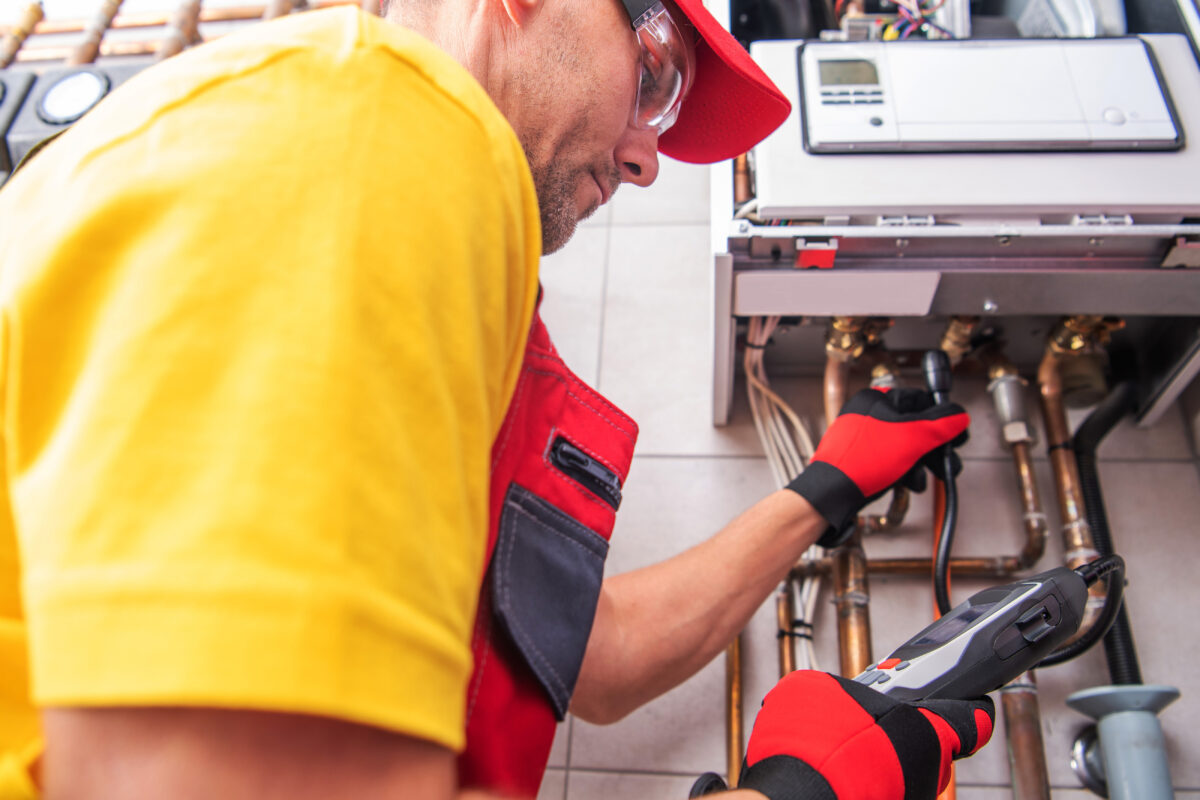
Tankless water heaters are a popular choice for St. Louis homeowners thanks to their energy efficiency, compact design, and endless hot water. But like any hardworking appliance, they need regular care to perform their best. If you want your system to last for years and run smoothly, tankless water heater maintenance should be a top priority—not an afterthought.

Why Maintenance Matters

Tankless systems heat water on demand, which puts constant pressure on their internal components. Over time, minerals in the water—especially in areas like St. Louis with moderate to hard water—can build up inside the unit. Without routine maintenance, this scale can lead to reduced efficiency, higher energy bills, and even system failure.

Routine maintenance isn’t just a good idea—it’s essential for:

  • Maximizing energy efficiency
  • Extending the life of your unit
  • Preventing expensive repairs
  • Ensuring consistent hot water performance

What Happens Without It?

Neglecting tankless water heater maintenance often leads to one of the most common problems: scale buildup. Minerals like calcium and magnesium settle on the heat exchanger, which makes the system work harder and shortens its lifespan. In fact, if maintenance is skipped entirely, you may notice lukewarm water, longer wait times for hot water, or even error codes flashing on your unit.

Eventually, scale buildup can trigger overheating sensors and shut the system down altogether. At that point, you’re not just dealing with poor performance—you’re looking at potential repair or replacement costs.

How Often Should You Schedule Maintenance?

Most manufacturers recommend a professional service once a year, especially in regions with hard water. In the St. Louis area, where many homes rely on municipal water with moderate mineral content, annual descaling and flushing is a smart preventative measure.

During a typical maintenance visit, a plumber will:

  • Flush the system to remove mineral buildup
  • Inspect the heat exchanger and internal components
  • Clean the inlet filter
  • Test for proper water flow and pressure
  • Check for any error codes or wear-and-tear

Regular service also helps maintain your warranty. Some manufacturers require proof of annual maintenance to honor their coverage, so keeping up with it protects your investment.

Don’t DIY This One

While it’s tempting to flush the system yourself using vinegar or a descaling kit, professional maintenance ensures everything is done safely and thoroughly. An experienced plumber can spot potential issues early, before they lead to breakdowns or costly fixes.

A Local Reminder for St. Louis Homeowners

Homes in St. Louis County, especially those in areas like Ballwin, Manchester, or Florissant, may have slightly harder water than others. That means more mineral buildup over time, making tankless water heater maintenance even more important.

According to the U.S. Department of Energy, homes with properly maintained tankless water heaters can save up to 34% on energy costs compared to traditional storage tank models (source).

Keep Your Hot Water Flowing

If it’s been over a year since your last service—or if you’ve never had one—now is the perfect time to schedule tankless water heater maintenance. At Beis Plumbing, we specialize in keeping your system running like new with honest, expert care.

Give us a call today to book your maintenance visit and keep the hot water flowing all year long.

Categories Plumber

7 Signs That Your Under Sink Plumbing Needs Attention

under sink plumbing

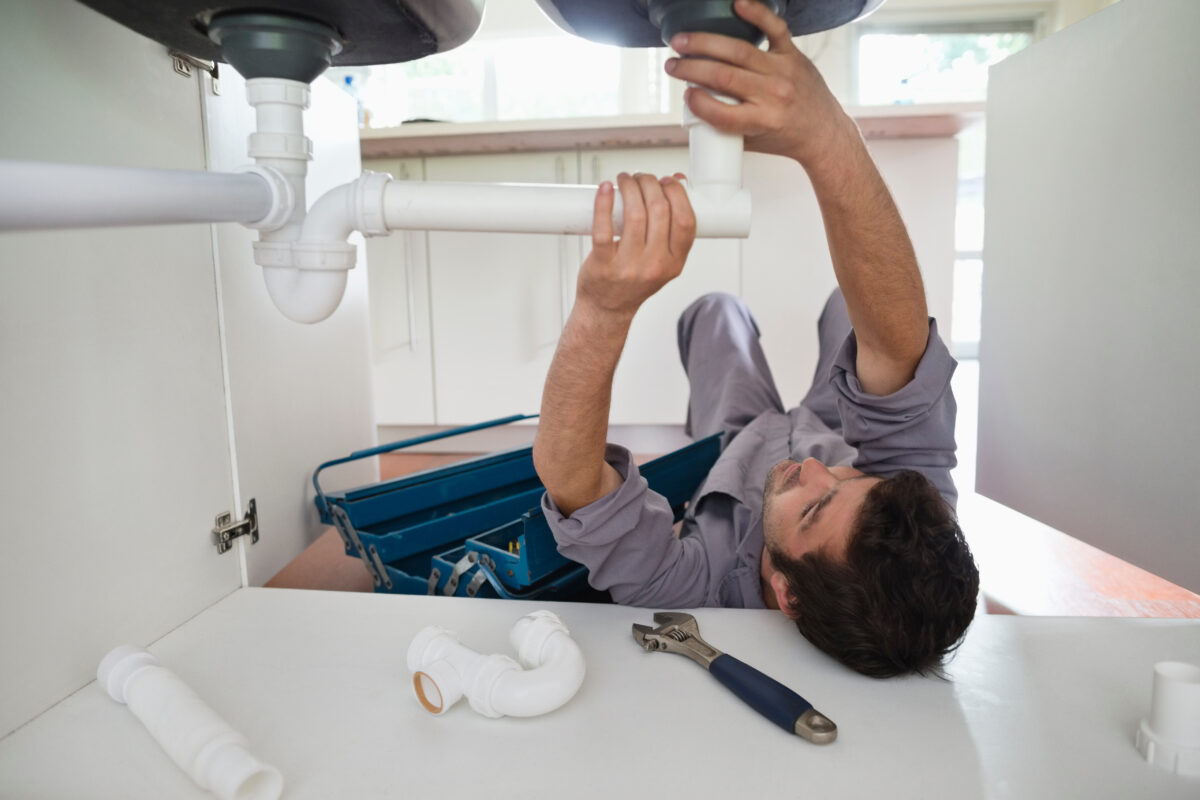
The space under your sink might not be something you check every day, but what’s happening down there can impact your entire kitchen or bathroom. Whether it’s a slow leak, strange smell, or unexplained puddle, your under sink plumbing could be waving a red flag.

Here are seven signs it might be time to take a closer look—and call in a professional before a small issue becomes a big mess.

1. Persistent Odors

A musty or rotten smell under the sink often signals standing water or mold growth. Leaks in drain pipes or supply lines can trap moisture, leading to mildew and unpleasant odors. If you’re constantly lighting candles or spraying air freshener around the sink, it’s time to investigate.

2. Visible Water Damage

Stained cabinet walls, bubbling wood, or soft spots under cleaning supplies usually mean water has been leaking for some time. The longer it goes unnoticed, the more damage it can cause to both your plumbing and cabinetry.

3. Puddles or Drips

Even a small puddle is a sign of a leak. Check pipe joints, shutoff valves, and the P-trap for signs of corrosion or wear. If tightening connections doesn’t solve the issue, you may have a crack or loose fitting that needs replacement.

4. Mold or Mildew Growth

If you see black, green, or white fuzzy spots around pipes or on the cabinet walls, you’ve likely got a moisture problem. Mold can form in as little as 24 to 48 hours under the right conditions, according to the EPA.

5. Rusty or Corroded Pipes

Galvanized or older metal pipes can rust over time, especially in damp conditions. Corrosion weakens pipes and fittings, increasing the chances of a leak or break.

6. Slow Drainage

If your sink is draining slowly, it might not be a clog in the basin—it could be a buildup or blockage further down in your under sink plumbing. Hair, grease, or food particles often accumulate in the trap or pipe bends.

7. Unusual Sounds

Gurgling or bubbling noises from under the sink could mean there’s air in the pipes or a blockage forming. These sounds often accompany slow drainage and signal that something’s not flowing right.

Local Plumbing Tip for St. Louis Homeowners

In the St. Louis area, older homes—especially in neighborhoods like Maplewood, Tower Grove, or University City—may have outdated plumbing systems that are more prone to corrosion and leaks. Regular checks under your sink can help you spot early warning signs before they become costly repairs.

Time to Call in the Pros?

If any of these signs sound familiar, it’s best not to wait. Water damage can escalate quickly, and what starts as a minor drip can become a major headache. At Beis Plumbing, we’ve seen it all—from leaking traps to full under-sink replacements—and we’re here to help with honest, efficient service across the St. Louis area.

Contact us today to schedule an inspection and keep your plumbing running smoothly.

Categories Plumber

How to Ensure You Get the Best Plumbing Service

best plumbing service

When a plumbing issue strikes—whether it’s a dripping faucet, a slow-draining sink, or something more serious—you want to know you’re hiring someone you can trust. Finding the best plumbing service ensures your home stays safe, your problem gets fixed quickly, and you avoid costly headaches down the road.

What to Look for in a Quality Plumbing Service

Not all plumbers offer the same level of service. Before hiring someone, make sure they check all the right boxes:

  • Licensed and insured: This protects both you and the plumber in case of accidents or damage. 
  • Transparent pricing: A trustworthy plumber provides clear, upfront quotes without hidden fees. 
  • Positive customer reviews: Look at recent feedback on Google or local platforms to see how others rate their experience. 
  • Experience with your type of issue: Whether it’s residential repairs or sewer line work, they should have a proven track record. 
  • Emergency availability: Plumbing problems don’t always wait for business hours. 

Questions to Ask Before You Hire

To avoid surprises, ask these questions before committing:

  • Do you offer free estimates? 
  • What kind of warranty do you provide? 
  • How do you handle unexpected issues during a job? 
  • Are your technicians background-checked and trained? 

A reputable plumber will answer these confidently and appreciate your thoroughness.

Why St. Louis Experience Matters

Choosing a plumber who knows the St. Louis area is a big advantage. From older city homes with cast iron piping to suburban neighborhoods facing seasonal freeze-thaw cycles, our region presents unique challenges. A local expert understands area building codes, regional water pressure variations, and the specific plumbing needs of St. Louis homes.

At Beis Plumbing, we’ve worked in neighborhoods across the metro—from Ballwin and Chesterfield to Kirkwood and South City—bringing reliable, tailored solutions to homeowners throughout the area.

Don’t Underestimate Experience

An experienced plumber isn’t just faster—they’re better equipped to spot potential problems and offer long-term solutions. According to the U.S. Bureau of Labor Statistics, demand for plumbers is expected to grow steadily by 2% over the next decade, highlighting the importance of skilled professionals in the field.

Hiring someone who’s been around the block means fewer callbacks and a job done right the first time.

Final Thought: Trust Is the Key to the Best Plumbing

The best plumbing services aren’t just about fixing pipes—they’re about building trust. When you invite someone into your home, you deserve honesty, reliability, and quality work every time.

If you’re looking for a plumbing company that knows the St. Louis area inside and out, Beis Plumbing is here to help. We’re proud to offer top-tier service with a hometown touch. Contact us today to schedule your appointment and experience plumbing done the right way.

Watch our Interview from Great Day St. Louis About Our Plumbing Services!

Categories Plumber

Residential Plumbing – Signals That Something Might Be Wrong

Residential Plumbing

Your home’s residential plumbing system is essential for everyday tasks like cooking, cleaning, and bathing. However, plumbing problems can develop gradually, often going unnoticed until they become major issues. Recognizing the early warning signs of plumbing trouble can help you address problems before they turn into costly repairs.

Common Signs of Residential Plumbing Issues

Plumbing problems can range from minor annoyances to serious damage. Here are the most common signals that something might be wrong with your residential plumbing system.

1. Low Water Pressure

If your sinks and showers have weak water flow, it could be due to:

  • Mineral Buildup – Hard water deposits can clog pipes, restricting water flow.
  • Hidden Leaks – A leak in your plumbing system can lower water pressure.
  • Failing Pressure Regulator – If multiple fixtures are affected, the pressure regulator may need adjustment or replacement.

2. Slow Drains or Frequent Clogs

Occasional clogs are normal, but frequent blockages could signal a deeper issue. If plunging doesn’t solve the problem, your pipes may be affected by:

  • Grease and Soap Scum Buildup – Over time, these materials coat the inside of pipes.
  • Tree Root Infiltration – Roots can grow into underground pipes, causing serious blockages.
  • Collapsed or Damaged Pipes – Older pipes can break down, restricting drainage.

3. Unusual Noises in Pipes

If you hear banging, gurgling, or whistling sounds from your pipes, your residential plumbing system may be experiencing:

  • Water Hammer – A sudden stop in water flow can cause loud banging noises.
  • Blocked Vents – Plumbing vents release air, and if they’re blocked, drains can gurgle.
  • High Water Pressure – Excess pressure can cause pipes to vibrate or whistle.

4. Discolored or Bad-Smelling Water

Your water should be clear and odor-free. If you notice rust-colored, cloudy, or foul-smelling water, it may indicate:

  • Corroded Pipes – Rusty water often comes from aging galvanized steel pipes.
  • Bacterial Growth – A rotten egg smell may signal sulfur bacteria in your water heater.
  • Sewage Backup – A musty or sewage-like odor can indicate a serious drainage issue.
  1. High Water Bills

A sudden spike in your water bill without increased usage is a strong sign of a leak. Even a small drip can waste up to 3,000 gallons of water per year, according to the Environmental Protection Agency (EPA). (Source)

When to Call a Professional Plumber

While some minor plumbing issues can be fixed with DIY solutions, many require expert attention. Call a professional plumber if you experience:

  • Persistent leaks or water damage
  • Multiple slow or clogged drains
  • Sewage backups or foul odors
  • Unexplained increases in your water bill

Trust Beis Plumbing for Your Residential Plumbing Needs

If you’re noticing signs of trouble in your residential plumbing, don’t wait for a small issue to become a big problem. At Beis Plumbing, we provide expert plumbing repairs, leak detection, and drain cleaning services to keep your home running smoothly.

Schedule an inspection with Beis Plumbing today and keep your home’s plumbing in top condition!

Categories Plumber

Types of Sewer Line Repair Commonly Needed

sewer line repair

When sewer problems arise, they can cause significant damage and disruptions to your home. Whether it’s a minor blockage or a major break, timely sewer line repair is essential to prevent costly water damage and health hazards. Understanding the most common types of sewer line repairs can help you recognize issues early and determine the best solution.

Signs You May Need Sewer Line Repair

Before diving into repair options, it’s important to know the warning signs of sewer line trouble:

  • Slow Drains – Frequent clogs in multiple drains could indicate a deeper issue in the sewer line.
  • Sewage Backups – Water or waste backing up into sinks, tubs, or toilets is a red flag.
  • Foul Odors – A persistent sewer smell in your home or yard may indicate a broken pipe.
  • Soggy or Sunken Yard – If the ground is unusually soft or has sinkholes, a leaking sewer pipe could be the cause.

According to the Environmental Protection Agency (EPA), aging sewer lines and infrastructure contribute to over 23,000 to 75,000 sewage overflows annually in the U.S. (Source)

Common Types of Sewer Line Repair

1. Pipe Relining

Pipe relining is a trenchless method that reinforces damaged sewer pipes from the inside without digging up your yard. A durable resin lining is inserted into the existing pipe and cured in place, creating a seamless, long-lasting repair.

2. Pipe Bursting

For severely damaged or collapsed pipes, pipe bursting is an effective replacement method. A specialized tool is used to break apart the old pipe while simultaneously pulling a new pipe into place. This technique is minimally invasive compared to traditional excavation.

3. Spot Repairs

If only a small section of the sewer line is damaged, a spot repair may be sufficient. Plumbers can cut out the broken portion and replace it with new piping, avoiding the need for full pipe replacement.

4. Traditional Excavation

In cases of extensive sewer damage, excavation may be the only solution. This involves digging a trench to access and replace the damaged pipes. While more disruptive, it ensures a long-term fix for major sewer line failures.

How to Prevent Sewer Line Issues

While sewer line repair is sometimes unavoidable, regular maintenance can help prevent major issues:

  • Avoid Flushing Non-Biodegradable Items – Only flush toilet paper; wipes, grease, and hygiene products can cause clogs.
  • Schedule Routine Inspections – A professional sewer camera inspection can catch small problems before they escalate.
  • Be Mindful of Tree Roots – Tree roots naturally seek out moisture and can invade sewer pipes. Regular root removal helps prevent blockages.

Call Beis Plumbing for Reliable Sewer Line Repair

If you’re experiencing sewer line issues, don’t wait for the problem to get worse. At Beis Plumbing, we specialize in professional sewer line repair, offering both traditional and trenchless solutions.

Schedule your sewer line inspection with Beis Plumbing today for expert service and lasting repairs!