Categories Plumber

Can You Do Bathroom Plumbing Fixes on Your Own?

bathroom plumbing

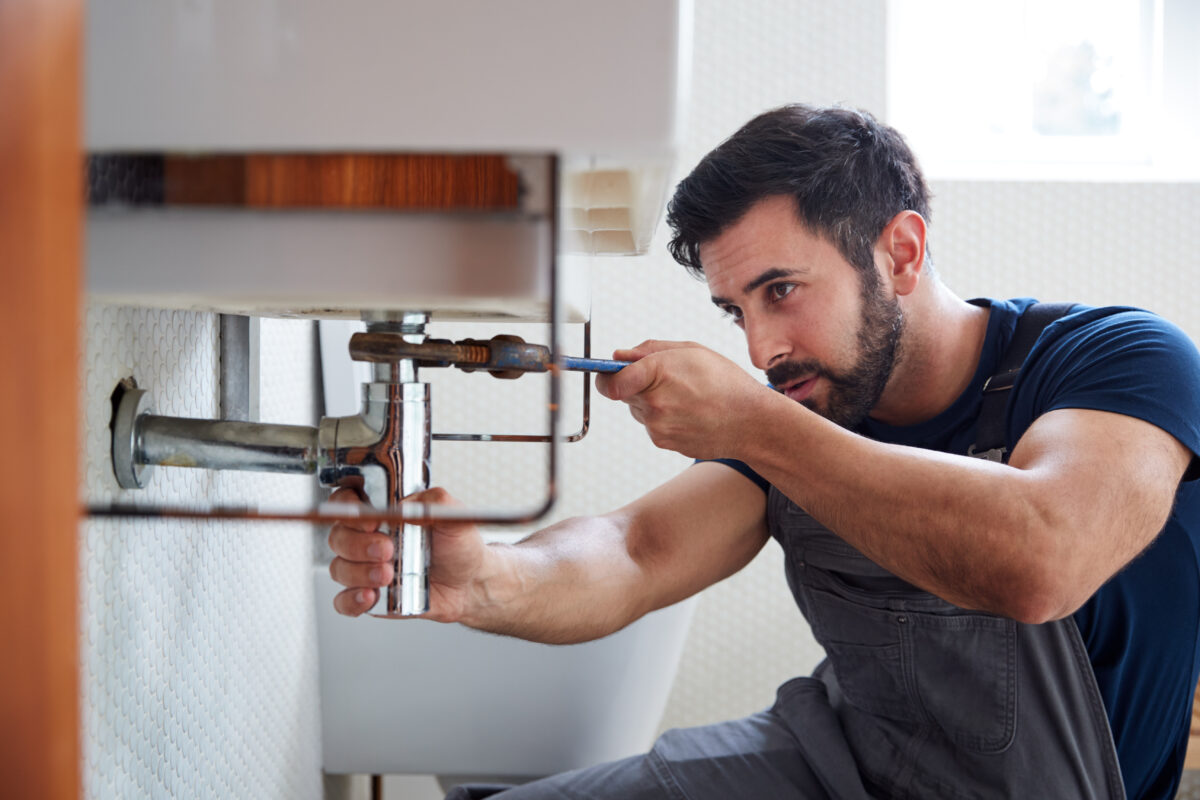
Dealing with bathroom plumbing issues can be frustrating, but not every problem requires a professional plumber. Some minor fixes, like unclogging a drain or replacing a faucet, can be tackled with basic tools and a little know-how. However, more complex issues, such as pipe leaks or sewer line problems, may require professional expertise. Knowing when you can DIY and when to call a plumber can save you time, money, and stress.

Common DIY Bathroom Plumbing Fixes

If you’re comfortable with basic home repairs, you may be able to handle these bathroom plumbing tasks on your own:

1. Unclogging a Sink or Shower Drain

Hair, soap scum, and debris can build up over time, leading to slow drains. Try these steps before calling a plumber:

  • Use a plunger – A small sink plunger can help loosen minor clogs.
  • Pour boiling water down the drain – This helps dissolve soap and grease buildup.
  • Try baking soda and vinegar – Pour ½ cup of baking soda, followed by 1 cup of vinegar. Let it sit for 15 minutes, then rinse with hot water.

2. Fixing a Running Toilet

A constantly running toilet can waste 200 gallons of water per day, according to the Environmental Protection Agency (EPA). (Source) Here’s how to fix it:

  • Check the flapper – If it’s worn out, replace it with a new one.
  • Adjust the float – If the water level is too high, lower the float to stop excess water from filling the tank.
  • Replace the fill valve – If the toilet still runs, the fill valve may need to be replaced.

3. Replacing a Faucet or Showerhead

If your faucet drips or your showerhead has weak pressure, you may need a replacement. With the right tools, you can install a new one in less than an hour:

  • Turn off the water supply before starting.
  • Use plumber’s tape on threads to prevent leaks.
  • Tighten connections securely, but avoid over-tightening.

When to Call a Professional Plumber

While DIY repairs can solve minor problems, some bathroom plumbing issues require a trained plumber. Call a professional if you experience:

  • Persistent low water pressure – This could indicate a deeper issue in your plumbing system.
  • Leaky pipes or water damage – Hidden leaks can lead to mold growth and structural damage.
  • Sewer backups or foul odors – These issues require specialized equipment to diagnose and fix.
  • Major toilet or shower repairs – If parts of your system need to be replaced, professional expertise ensures the job is done correctly.

Avoid Costly Mistakes with Beis Plumbing

While tackling small bathroom plumbing fixes can be rewarding, some problems are best left to the experts. At Beis Plumbing, we provide reliable, professional service for everything from minor leaks to full bathroom remodels.

Need help with your bathroom plumbing? Contact Beis Plumbing today for expert service!

Watch Charlie's Video About Common Household Plumbing Issues and How to Deal With Them!

Categories Plumber

Shower Drains – How to Avoid Plumbing Issues

shower drains

A clogged or slow-moving shower drain can quickly become a frustrating plumbing issue. Taking proper care of your shower drains can prevent blockages, unpleasant odors, and costly repairs. Understanding what causes drainage problems and how to maintain your plumbing will keep your showers running smoothly.

Common Causes of Clogged Shower Drains

Several factors can contribute to clogged shower drains, including:

  • Hair Buildup – One of the most common causes, hair can accumulate and create blockages over time.
  • Soap Scum – Soap residue can mix with minerals in water, forming a sticky buildup that restricts drainage.
  • Hard Water Deposits – In areas with hard water, mineral buildup can narrow drain pipes.
  • Foreign Objects – Small items like razor caps or jewelry can accidentally fall into drains and cause clogs.

According to the Environmental Protection Agency (EPA), plumbing leaks and blockages contribute to nearly 1 trillion gallons of wasted water annually in U.S. homes. (Source)

How to Prevent Clogged Shower Drains

Avoiding plumbing issues starts with good habits. Here are some ways to keep your shower drains clear:

1. Use a Drain Cover

A drain cover or hair catcher can trap hair and debris before they enter the pipes. Clean it regularly to prevent buildup.

2. Flush Drains with Hot Water

Pouring boiling water down the drain once a week helps dissolve soap scum and grease, reducing the risk of blockages.

3. Limit Soap and Shampoo Residue

Opt for liquid soap instead of bar soap, which leaves more residue. Also, rinse the shower thoroughly after each use.

4. Clean Drains with Baking Soda and Vinegar

A natural cleaning solution of baking soda and vinegar can help break down buildup. Pour ½ cup of baking soda, followed by 1 cup of vinegar, then rinse with hot water after 15 minutes.

5. Schedule Routine Plumbing Inspections

Professional drain cleaning can help remove buildup that household methods can’t reach. A plumber can also detect early warning signs of larger issues.

Signs You Need Professional Drain Cleaning

If your shower drains continue to back up despite preventive measures, it may be time to call a plumber. Warning signs include:

  • Standing Water – Water pooling around your feet during a shower.
  • Slow Drainage – Water takes longer than usual to drain.
  • Gurgling Noises – Strange sounds from the drain indicate trapped air or partial blockages.
  • Unpleasant Odors – A musty or rotten smell can signal bacterial growth in clogged pipes.

Trust Beis Plumbing for Shower Drain Maintenance

At Beis Plumbing, we specialize in keeping your shower drains clear and functioning properly. Whether you need preventive maintenance or emergency plumbing services, our team is ready to help.

Don’t wait for a clogged drain to become a bigger problem—contact Beis Plumbing today for expert drain cleaning and maintenance!

Categories Plumber

How to Avoid Needing a Burst Pipe Repair

burst pipe repair

A burst pipe can cause significant water damage, leading to costly repairs and major disruptions in your home. Preventing the need for burst pipe repair is far easier and less expensive than dealing with the aftermath. By taking proactive steps, you can protect your plumbing system and avoid unexpected emergencies.

What Causes a Pipe to Burst?

Understanding the common causes of burst pipes can help you prevent them:

  • Freezing Temperatures – Water expands when it freezes, creating pressure that can rupture pipes.
  • Corrosion and Aging Pipes – Old, worn-out pipes are more susceptible to cracks and breaks.
  • High Water Pressure – Excessive pressure can weaken pipes over time.
  • Clogs and Blockages – Built-up debris can increase pressure inside the pipes.
  • Poor Installation – Improperly installed pipes are more likely to fail.

According to the Insurance Information Institute (III), water damage from burst pipes accounts for nearly 30% of all home insurance claims. (Source)

Tips to Prevent Burst Pipes

Taking preventive measures can help you avoid an emergency burst pipe repair situation. Here’s how:

1. Insulate Your Pipes

Exposed pipes, especially in basements, attics, and crawl spaces, should be wrapped in pipe insulation to prevent freezing. This is especially important in colder climates.

2. Maintain a Consistent Indoor Temperature

Keeping your thermostat set to at least 55°F (13°C), even when you’re away, helps prevent pipes from freezing and bursting.

3. Let Faucets Drip in Cold Weather

On extremely cold nights, allowing a slight drip from faucets connected to exposed pipes can relieve pressure and reduce the risk of freezing.

4. Monitor Water Pressure

High water pressure can stress your pipes. Use a pressure gauge to ensure your home’s water pressure stays between 40-60 psi. If it’s too high, consider installing a pressure regulator.

5. Keep Cabinets Open in Winter

For pipes located under sinks, opening cabinet doors allows warm air to circulate, preventing freezing.

6. Fix Leaks and Weak Spots Immediately

A small leak can turn into a major break if left unchecked. If you notice damp spots, strange noises, or reduced water pressure, have a plumber inspect your pipes right away.

What to Do If a Pipe Bursts

Even with precautions, accidents can still happen. If you experience a burst pipe, take these immediate steps:

  1. Shut Off the Water – Locate your main water valve and turn it off to stop further flooding.
  2. Turn Off Electricity in Affected Areas – If water is near electrical outlets or appliances, shut off power to avoid hazards.
  3. Drain the Faucets – Open all faucets to release any remaining water in the system.
  4. Call a Professional Plumber – A licensed plumber can perform burst pipe repair and assess the extent of the damage.

Trust Beis Plumbing for Burst Pipe Prevention and Repairs

At Beis Plumbing, we specialize in preventing and fixing burst pipes. Whether you need insulation, pressure adjustments, or emergency burst pipe repair, our team is ready to help.

Don’t wait for a disaster—schedule a plumbing inspection with Beis Plumbing today!

Categories Plumber

How to Know You Need a Gas Line Repair

gas line repair

How to Know You Need a Gas Line Repair

A gas line issue is a serious safety concern that requires immediate attention. Whether you rely on natural gas for heating, cooking, or water heating, recognizing the warning signs of a gas leak or damaged line can prevent dangerous situations. Here’s how to know when you need a gas line repair.

Common Signs of a Gas Line Problem

1. Rotten Egg Smell

Utility companies add mercaptan to natural gas to give it a distinct sulfur or rotten egg odor. If you notice this smell in your home, it could indicate a gas leak that needs urgent professional attention.

2. Hissing Sounds Near Gas Appliances

A hissing or whistling sound near your gas stove, water heater, or gas lines may suggest a leak. Even a small leak can be hazardous and should be inspected immediately by a licensed professional.

3. Dying Houseplants

If your indoor plants are wilting or dying unexpectedly, it might be due to a gas leak. Exposure to natural gas can reduce oxygen levels in the air, affecting plant health before becoming noticeable to humans.

4. Higher Than Normal Gas Bills

An unexplained increase in your gas bill could be a sign of an undetected leak in your system. If your usage hasn’t changed, but costs are rising, a professional gas line inspection is recommended.

5. Physical Symptoms of Exposure

Exposure to natural gas leaks can cause symptoms such as:

  • Dizziness
  • Nausea
  • Headaches
  • Fatigue

If multiple people in your home experience these symptoms simultaneously, leave the area immediately and seek professional help.

6. Visible Damage to Gas Lines

Cracked, corroded, or damaged gas lines should never be ignored. If you see signs of wear or suspect damage after a storm or construction work, have a plumber inspect your gas system right away.

What to Do If You Suspect a Gas Leak

If you believe there is a gas leak in your home, follow these critical steps:

  • Evacuate immediately – Leave the house and ensure all occupants do the same.
  • Do not use electrical devices – Avoid turning on lights, appliances, or even using your phone indoors.
  • Shut off the gas supply – If it is safe to do so, turn off the main gas valve.
  • Call for help – Contact your gas company or emergency services from a safe location.

Preventing Gas Line Issues

To keep your gas system in good condition, consider these safety tips:

  • Schedule annual gas line inspections by a licensed plumber.
  • Never attempt DIY gas repairs – Always hire a professional.
  • Install carbon monoxide detectors to alert you to dangerous leaks.
  • Be cautious when digging in your yard to avoid damaging underground gas lines.

Call a Professional for Gas Line Repair

If you suspect a gas line issue, Beis Plumbing is here to help. Our expert technicians provide fast, reliable gas line repairs to keep your home safe. Contact us today for an inspection and peace of mind.

Categories Plumber

7 Most Common Plumbing Jobs Your House Might Need

plumbing jobs

Most Common Plumbing Jobs Your House Might Need

Every home will eventually require plumbing services, whether for routine maintenance, repairs, or new installations. Knowing the most common plumbing jobs can help homeowners stay ahead of potential issues and ensure their plumbing system runs smoothly.

1. Fixing Leaky Faucets

A dripping faucet is more than just an annoyance—it can waste gallons of water over time. According to the Environmental Protection Agency (EPA), a single faucet leaking one drip per second can waste over 3,000 gallons of water per year (source). Replacing worn-out washers, seals, or cartridges can resolve this issue.

2. Unclogging Drains

Clogged drains are a frequent plumbing problem caused by grease, hair, food particles, and soap scum. While minor clogs can be cleared with a plunger or a drain snake, persistent blockages may require professional hydro-jetting services.

3. Repairing or Replacing Water Heaters

Water heaters have a lifespan of about 8-12 years. Signs that a water heater may need repair or replacement include:

  • Inconsistent water temperature
  • Strange noises coming from the tank
  • Rust-colored water
  • Leaks around the base of the unit

Regular flushing and maintenance can help extend the lifespan of your water heater.

4. Toilet Repairs and Replacements

Toilet issues, such as constant running, weak flushing, or leaks, are common in many households. In some cases, replacing the flapper or fill valve can solve the problem, while older toilets may need to be completely replaced with more efficient models.

5. Fixing Burst or Leaking Pipes

Pipes can burst due to freezing temperatures, corrosion, or high water pressure. A leaking or burst pipe can lead to extensive water damage if not addressed quickly. Signs of a leak include:

  • Unexplained high water bills
  • Water stains on walls or ceilings
  • Decreased water pressure

6. Garbage Disposal Repairs

Garbage disposals can become jammed or clogged due to food waste buildup. If resetting the unit or manually rotating the blades doesn’t fix the issue, a professional plumber may need to repair or replace the disposal.

7. Sewer Line Repairs

A damaged or clogged sewer line can lead to slow drains, gurgling toilets, or foul odors. Professional plumbers use cameras to inspect sewer lines and determine if repairs or replacements are needed.

When to Call a Professional Plumber

While some minor plumbing tasks can be handled with DIY solutions, professional plumbers ensure long-term solutions and prevent costly damage. Contacting an experienced plumber for inspections, maintenance, and repairs can save you time and money in the long run.

Get Expert Plumbing Help Today

If you’re experiencing plumbing issues, Beis Plumbing is here to help. Our expert team handles everything from minor repairs to major installations. Contact us today for reliable plumbing services you can trust!