Categories Plumber

Can You Do Bathroom Plumbing Fixes on Your Own?

bathroom plumbing

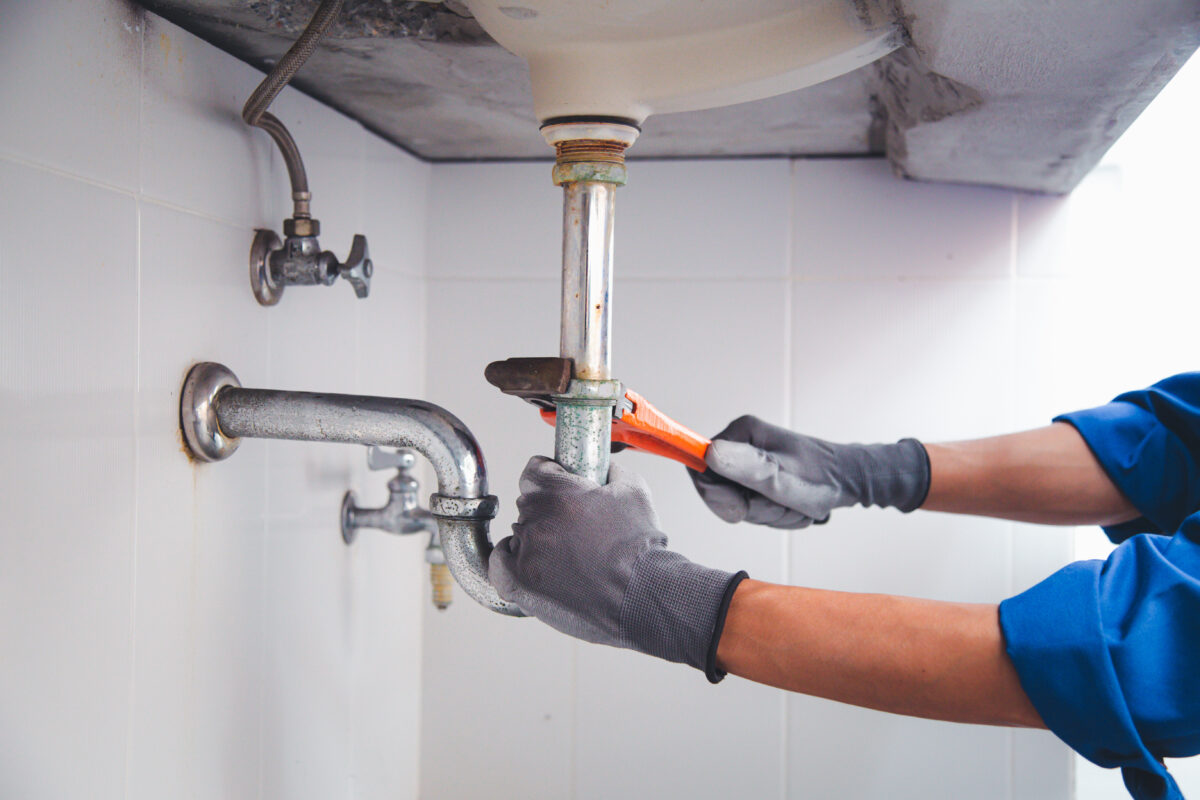
Dealing with bathroom plumbing issues can be frustrating, but not every problem requires a professional plumber. Some minor fixes, like unclogging a drain or replacing a faucet, can be tackled with basic tools and a little know-how. However, more complex issues, such as pipe leaks or sewer line problems, may require professional expertise. Knowing when you can DIY and when to call a plumber can save you time, money, and stress.

Common DIY Bathroom Plumbing Fixes

If you’re comfortable with basic home repairs, you may be able to handle these bathroom plumbing tasks on your own:

1. Unclogging a Sink or Shower Drain

Hair, soap scum, and debris can build up over time, leading to slow drains. Try these steps before calling a plumber:

  • Use a plunger – A small sink plunger can help loosen minor clogs.
  • Pour boiling water down the drain – This helps dissolve soap and grease buildup.
  • Try baking soda and vinegar – Pour ½ cup of baking soda, followed by 1 cup of vinegar. Let it sit for 15 minutes, then rinse with hot water.

2. Fixing a Running Toilet

A constantly running toilet can waste 200 gallons of water per day, according to the Environmental Protection Agency (EPA). (Source) Here’s how to fix it:

  • Check the flapper – If it’s worn out, replace it with a new one.
  • Adjust the float – If the water level is too high, lower the float to stop excess water from filling the tank.
  • Replace the fill valve – If the toilet still runs, the fill valve may need to be replaced.

3. Replacing a Faucet or Showerhead

If your faucet drips or your showerhead has weak pressure, you may need a replacement. With the right tools, you can install a new one in less than an hour:

  • Turn off the water supply before starting.
  • Use plumber’s tape on threads to prevent leaks.
  • Tighten connections securely, but avoid over-tightening.

When to Call a Professional Plumber

While DIY repairs can solve minor problems, some bathroom plumbing issues require a trained plumber. Call a professional if you experience:

  • Persistent low water pressure – This could indicate a deeper issue in your plumbing system.
  • Leaky pipes or water damage – Hidden leaks can lead to mold growth and structural damage.
  • Sewer backups or foul odors – These issues require specialized equipment to diagnose and fix.
  • Major toilet or shower repairs – If parts of your system need to be replaced, professional expertise ensures the job is done correctly.

Avoid Costly Mistakes with Beis Plumbing

While tackling small bathroom plumbing fixes can be rewarding, some problems are best left to the experts. At Beis Plumbing, we provide reliable, professional service for everything from minor leaks to full bathroom remodels.

Need help with your bathroom plumbing? Contact Beis Plumbing today for expert service!

Watch Charlie's Video About Common Household Plumbing Issues and How to Deal With Them!

Categories Plumber

Shower Drains – How to Avoid Plumbing Issues

shower drains

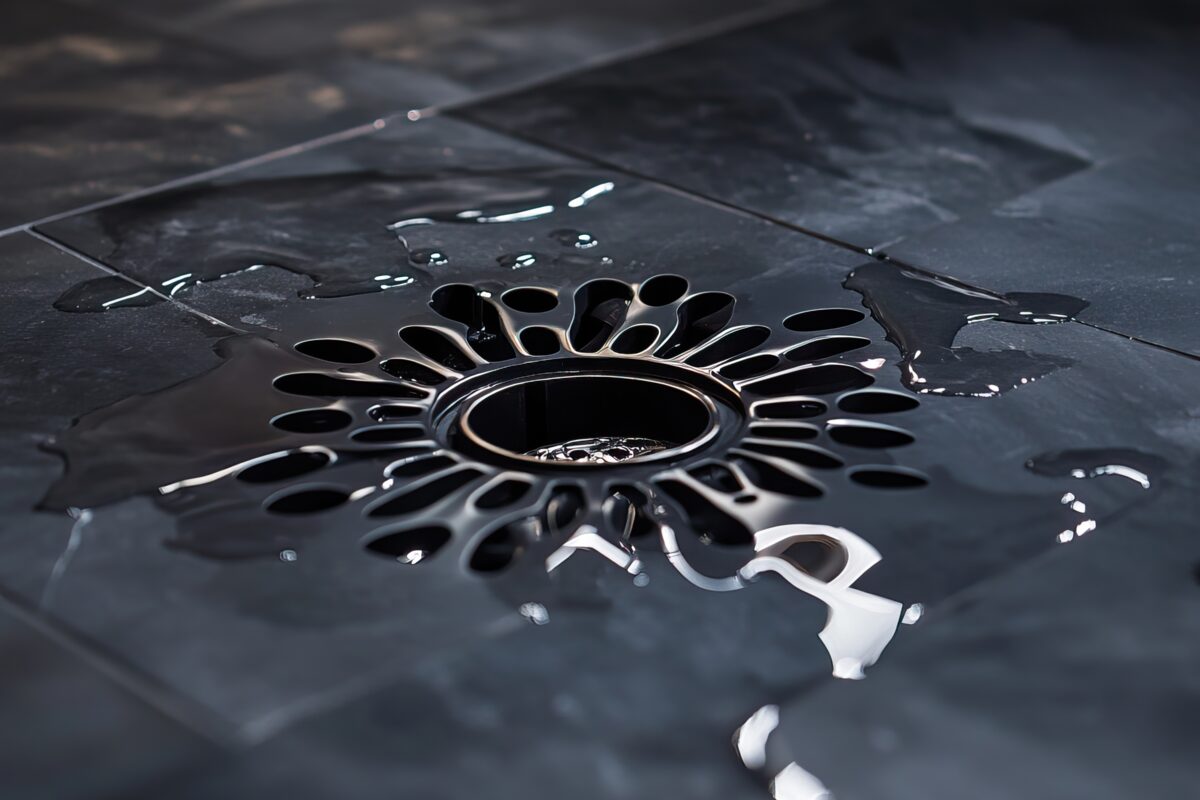
A clogged or slow-moving shower drain can quickly become a frustrating plumbing issue. Taking proper care of your shower drains can prevent blockages, unpleasant odors, and costly repairs. Understanding what causes drainage problems and how to maintain your plumbing will keep your showers running smoothly.

Common Causes of Clogged Shower Drains

Several factors can contribute to clogged shower drains, including:

  • Hair Buildup – One of the most common causes, hair can accumulate and create blockages over time.
  • Soap Scum – Soap residue can mix with minerals in water, forming a sticky buildup that restricts drainage.
  • Hard Water Deposits – In areas with hard water, mineral buildup can narrow drain pipes.
  • Foreign Objects – Small items like razor caps or jewelry can accidentally fall into drains and cause clogs.

According to the Environmental Protection Agency (EPA), plumbing leaks and blockages contribute to nearly 1 trillion gallons of wasted water annually in U.S. homes. (Source)

How to Prevent Clogged Shower Drains

Avoiding plumbing issues starts with good habits. Here are some ways to keep your shower drains clear:

1. Use a Drain Cover

A drain cover or hair catcher can trap hair and debris before they enter the pipes. Clean it regularly to prevent buildup.

2. Flush Drains with Hot Water

Pouring boiling water down the drain once a week helps dissolve soap scum and grease, reducing the risk of blockages.

3. Limit Soap and Shampoo Residue

Opt for liquid soap instead of bar soap, which leaves more residue. Also, rinse the shower thoroughly after each use.

4. Clean Drains with Baking Soda and Vinegar

A natural cleaning solution of baking soda and vinegar can help break down buildup. Pour ½ cup of baking soda, followed by 1 cup of vinegar, then rinse with hot water after 15 minutes.

5. Schedule Routine Plumbing Inspections

Professional drain cleaning can help remove buildup that household methods can’t reach. A plumber can also detect early warning signs of larger issues.

Signs You Need Professional Drain Cleaning

If your shower drains continue to back up despite preventive measures, it may be time to call a plumber. Warning signs include:

  • Standing Water – Water pooling around your feet during a shower.
  • Slow Drainage – Water takes longer than usual to drain.
  • Gurgling Noises – Strange sounds from the drain indicate trapped air or partial blockages.
  • Unpleasant Odors – A musty or rotten smell can signal bacterial growth in clogged pipes.

Trust Beis Plumbing for Shower Drain Maintenance

At Beis Plumbing, we specialize in keeping your shower drains clear and functioning properly. Whether you need preventive maintenance or emergency plumbing services, our team is ready to help.

Don’t wait for a clogged drain to become a bigger problem—contact Beis Plumbing today for expert drain cleaning and maintenance!

Categories Plumber

How to Know You Need Kitchen Sink Plumbing Assistance

Kitchen Sink Plumbing

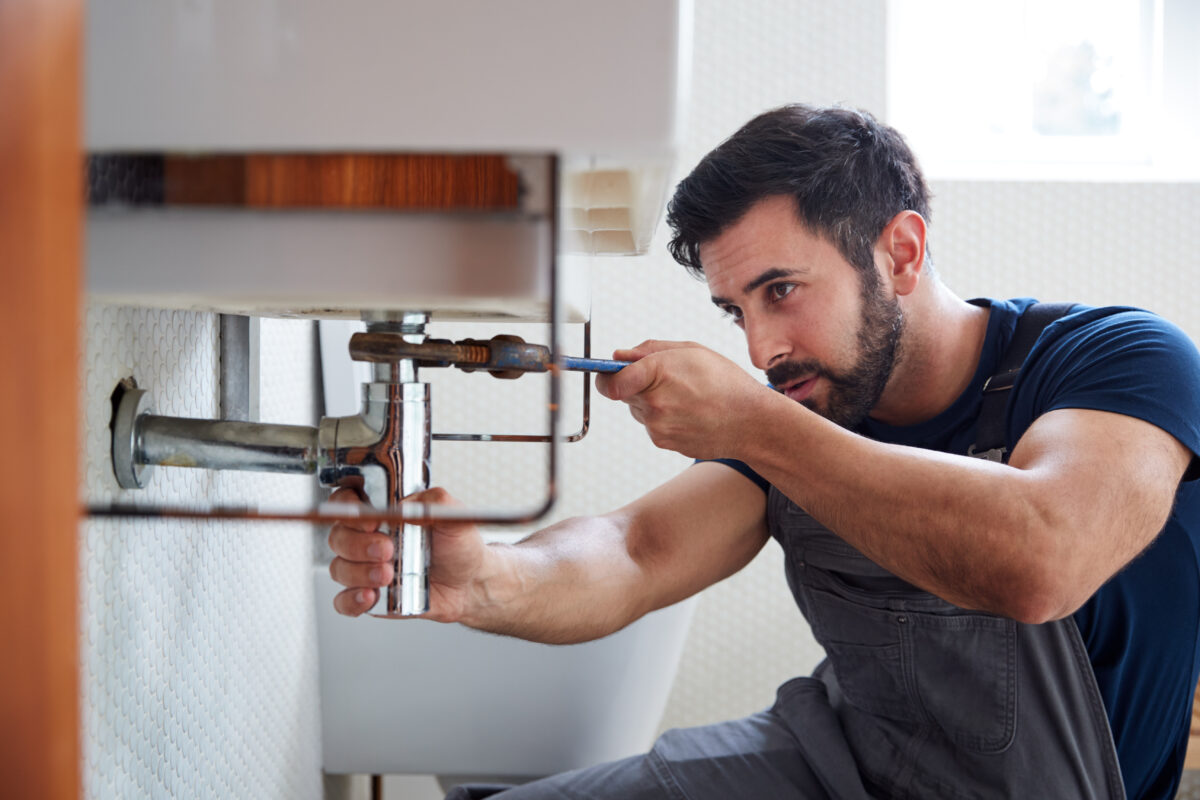
Your kitchen sink is one of the most used fixtures in your home, and when something goes wrong, it can disrupt your daily routine. Recognizing the signs of plumbing issues early can help you avoid costly repairs and potential water damage. Here’s how to know when you need professional kitchen sink plumbing assistance.

Common Signs of Kitchen Sink Plumbing Issues

1. Slow Draining Water

If your kitchen sink takes longer than usual to drain, it could indicate a partial blockage. Common causes include:

  • Grease buildup
  • Food particles stuck in the pipes
  • Soap scum accumulation

A minor clog may be cleared with a plunger or a baking soda and vinegar solution, but if the problem persists, a plumber may be needed to remove deep blockages.

2. Persistent Foul Odors

Unpleasant smells coming from your sink may indicate food debris or grease trapped in the pipes. If the odor remains despite regular cleaning, it could signal a deeper drainage issue that requires professional attention.

3. Unusual Noises

Gurgling or bubbling sounds when using the sink often suggest air trapped in the pipes, which can result from clogs or venting issues. A plumber can diagnose and resolve these problems before they lead to more significant damage.

4. Water Leaks

Leaks under the sink or around the faucet can cause structural damage and lead to mold growth. Check for:

  • Pooled water under the sink
  • Water stains or dampness on cabinets
  • A sudden increase in your water bill

If you notice any of these signs, addressing the issue promptly can prevent further damage and higher repair costs.

5. Low Water Pressure

A sudden drop in water pressure from your kitchen faucet can be caused by mineral buildup in the aerator, pipe corrosion, or a hidden leak. If cleaning the aerator doesn’t restore water flow, it’s best to consult a professional.

When to Call a Professional Plumber

While some minor issues can be fixed with DIY solutions, certain problems require a licensed plumber’s expertise. You should seek professional help if:

  • Multiple drains in your home are slow or clogged
  • There is standing water in the sink despite attempted fixes
  • You suspect a pipe leak or damage
  • You’re experiencing frequent backups

Preventing Future Kitchen Sink Plumbing Issues

To keep your kitchen sink plumbing in top condition, follow these tips:

  • Avoid pouring grease down the drain – Instead, dispose of it in a separate container.
  • Use a drain strainer – This helps catch food particles and debris before they enter your pipes.
  • Run hot water after each use – This helps clear minor residue before it builds up.
  • Schedule regular maintenance – A professional plumber can inspect and clean your pipes to prevent major issues.

According to the Environmental Protection Agency (EPA), household leaks can waste nearly 10,000 gallons of water each year, leading to higher utility bills and unnecessary water waste (source).

Get Expert Kitchen Sink Plumbing Help

If you’re experiencing persistent plumbing issues with your kitchen sink, Beis Plumbing is here to help. Our expert team can diagnose and repair any problem, ensuring your sink functions properly. Contact us today to schedule an inspection and keep your kitchen running smoothly.