
Categories Plumber

7 Signs That Your Under Sink Plumbing Needs Attention

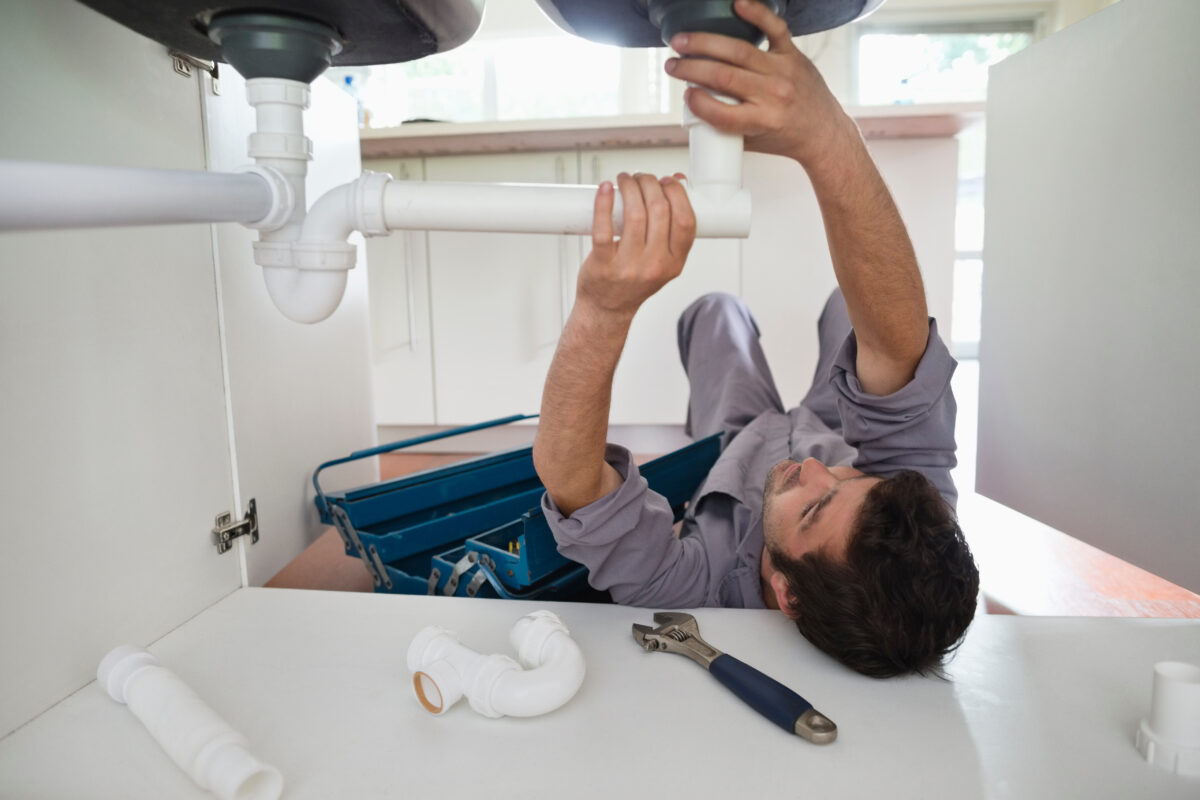
under sink plumbing

The space under your sink might not be something you check every day, but what’s happening down there can impact your entire kitchen or bathroom. Whether it’s a slow leak, strange smell, or unexplained puddle, your under sink plumbing could be waving a red flag.

Here are seven signs it might be time to take a closer look—and call in a professional before a small issue becomes a big mess.

1. Persistent Odors

A musty or rotten smell under the sink often signals standing water or mold growth. Leaks in drain pipes or supply lines can trap moisture, leading to mildew and unpleasant odors. If you’re constantly lighting candles or spraying air freshener around the sink, it’s time to investigate.

2. Visible Water Damage

Stained cabinet walls, bubbling wood, or soft spots under cleaning supplies usually mean water has been leaking for some time. The longer it goes unnoticed, the more damage it can cause to both your plumbing and cabinetry.

3. Puddles or Drips

Even a small puddle is a sign of a leak. Check pipe joints, shutoff valves, and the P-trap for signs of corrosion or wear. If tightening connections doesn’t solve the issue, you may have a crack or loose fitting that needs replacement.

4. Mold or Mildew Growth

If you see black, green, or white fuzzy spots around pipes or on the cabinet walls, you’ve likely got a moisture problem. Mold can form in as little as 24 to 48 hours under the right conditions, according to the EPA.

5. Rusty or Corroded Pipes

Galvanized or older metal pipes can rust over time, especially in damp conditions. Corrosion weakens pipes and fittings, increasing the chances of a leak or break.

6. Slow Drainage

If your sink is draining slowly, it might not be a clog in the basin—it could be a buildup or blockage further down in your under sink plumbing. Hair, grease, or food particles often accumulate in the trap or pipe bends.

7. Unusual Sounds

Gurgling or bubbling noises from under the sink could mean there’s air in the pipes or a blockage forming. These sounds often accompany slow drainage and signal that something’s not flowing right.

Local Plumbing Tip for St. Louis Homeowners

In the St. Louis area, older homes—especially in neighborhoods like Maplewood, Tower Grove, or University City—may have outdated plumbing systems that are more prone to corrosion and leaks. Regular checks under your sink can help you spot early warning signs before they become costly repairs.

Time to Call in the Pros?

If any of these signs sound familiar, it’s best not to wait. Water damage can escalate quickly, and what starts as a minor drip can become a major headache. At Beis Plumbing, we’ve seen it all—from leaking traps to full under-sink replacements—and we’re here to help with honest, efficient service across the St. Louis area.

Contact us today to schedule an inspection and keep your plumbing running smoothly.

Categories Plumber

How to Know You Need a Gas Line Repair

gas line repair

How to Know You Need a Gas Line Repair

A gas line issue is a serious safety concern that requires immediate attention. Whether you rely on natural gas for heating, cooking, or water heating, recognizing the warning signs of a gas leak or damaged line can prevent dangerous situations. Here’s how to know when you need a gas line repair.

Common Signs of a Gas Line Problem

1. Rotten Egg Smell

Utility companies add mercaptan to natural gas to give it a distinct sulfur or rotten egg odor. If you notice this smell in your home, it could indicate a gas leak that needs urgent professional attention.

2. Hissing Sounds Near Gas Appliances

A hissing or whistling sound near your gas stove, water heater, or gas lines may suggest a leak. Even a small leak can be hazardous and should be inspected immediately by a licensed professional.

3. Dying Houseplants

If your indoor plants are wilting or dying unexpectedly, it might be due to a gas leak. Exposure to natural gas can reduce oxygen levels in the air, affecting plant health before becoming noticeable to humans.

4. Higher Than Normal Gas Bills

An unexplained increase in your gas bill could be a sign of an undetected leak in your system. If your usage hasn’t changed, but costs are rising, a professional gas line inspection is recommended.

5. Physical Symptoms of Exposure

Exposure to natural gas leaks can cause symptoms such as:

  • Dizziness
  • Nausea
  • Headaches
  • Fatigue

If multiple people in your home experience these symptoms simultaneously, leave the area immediately and seek professional help.

6. Visible Damage to Gas Lines

Cracked, corroded, or damaged gas lines should never be ignored. If you see signs of wear or suspect damage after a storm or construction work, have a plumber inspect your gas system right away.

What to Do If You Suspect a Gas Leak

If you believe there is a gas leak in your home, follow these critical steps:

  • Evacuate immediately – Leave the house and ensure all occupants do the same.
  • Do not use electrical devices – Avoid turning on lights, appliances, or even using your phone indoors.
  • Shut off the gas supply – If it is safe to do so, turn off the main gas valve.
  • Call for help – Contact your gas company or emergency services from a safe location.

Preventing Gas Line Issues

To keep your gas system in good condition, consider these safety tips:

  • Schedule annual gas line inspections by a licensed plumber.
  • Never attempt DIY gas repairs – Always hire a professional.
  • Install carbon monoxide detectors to alert you to dangerous leaks.
  • Be cautious when digging in your yard to avoid damaging underground gas lines.

Call a Professional for Gas Line Repair

If you suspect a gas line issue, Beis Plumbing is here to help. Our expert technicians provide fast, reliable gas line repairs to keep your home safe. Contact us today for an inspection and peace of mind.