Categories Plumber

The Ultimate Guide to Basement Flooding Prevention

Basement Flooding

The Ultimate Guide to Basement Flooding Prevention

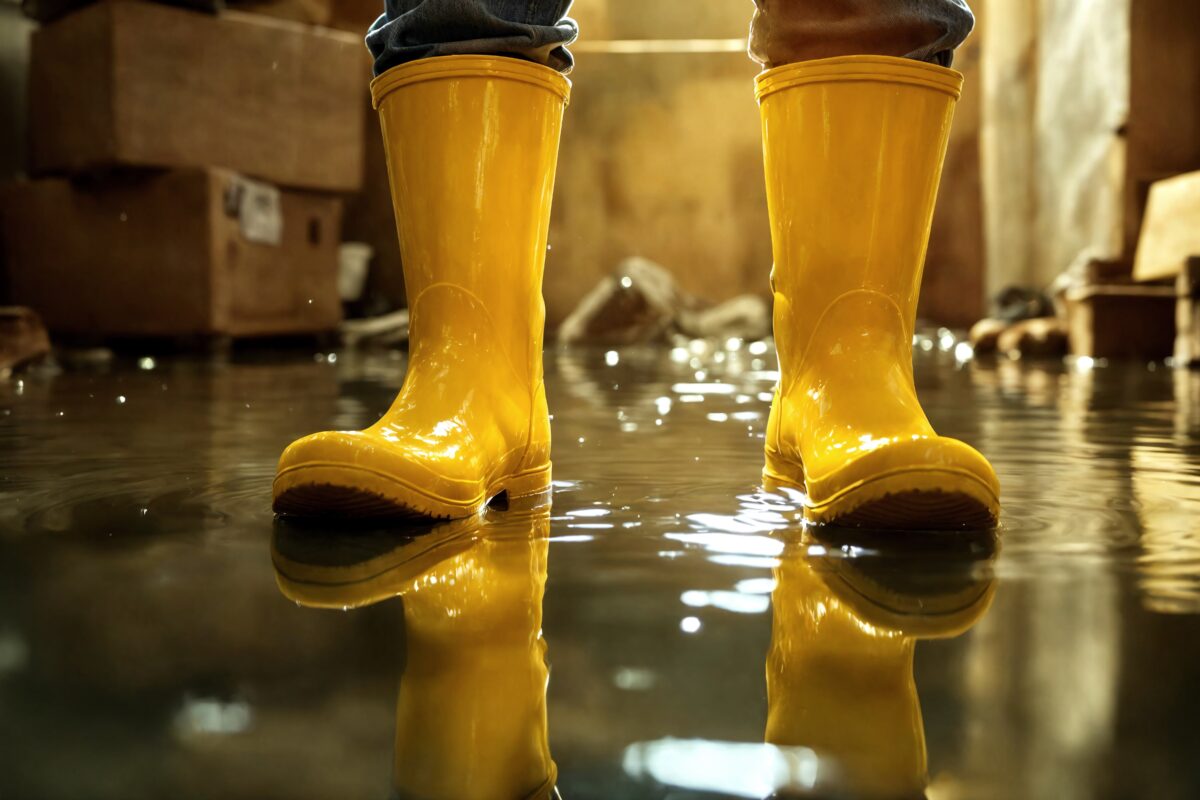
Basement flooding is one of the most frustrating and expensive home disasters a homeowner can face. From ruined furniture and damaged walls to the risk of mold, a flooded basement isn’t just a nuisance, it’s a serious threat to your property’s value and safety. The good news? Most causes of basement flooding are preventable with the right preparation and professional help.

Common Causes of Basement Flooding

Understanding why basements flood is the first step to preventing it. Some of the most frequent culprits include:

  • Sump pump failure – A faulty or overwhelmed sump pump can’t remove water quickly enough. 
  • Foundation cracks – Water seeps in through gaps in your basement walls or floor. 
  • Poor drainage – Gutters and downspouts that direct water too close to the home create pooling near the foundation. 
  • Sewer backups – Heavy rains can overwhelm city sewers, sending wastewater back into your home. 

How to Prevent Basement Flooding

The best way to protect your basement is with proactive maintenance and smart upgrades. Here are the most effective solutions Beis Plumbing recommends:

  • Install or upgrade a sump pump – This is your first line of defense against rising groundwater. 
  • Add a battery backup system – In case of a power outage during a storm, your sump pump will still work. 
  • Consider a backwater valve – This prevents sewage from backing up into your home during heavy rain. 
  • Schedule regular plumbing inspections – Catch small issues before they become major problems. 
  • Keep gutters and downspouts clear – Direct water at least 6 feet away from your foundation. 

Simple Maintenance Tips Year-Round

Preventing basement flooding isn’t just about big upgrades; it’s also about smart habits. Each season, make it a point to:

  • Test your sump pump to ensure it activates and drains properly. 
  • Inspect for foundation cracks and have them sealed if needed. 
  • Check that downspouts and grading move water away from your home. 

These small steps go a long way in keeping your basement dry.

Why Call Beis Plumbing?

At Beis Plumbing, we’ve seen firsthand how devastating basement flooding can be, and we know how to stop it. Our licensed team specializes in sump pump installation, sewer line protection, and waterproofing solutions designed for homes in this area. We’re local, experienced, and ready to help before trouble starts.

Don’t Wait Until It’s Too Late

Basement flooding can happen fast, but so can prevention. If you’ve noticed signs of moisture, haven’t checked your sump pump recently, or just want peace of mind, schedule an appointment with Beis Plumbing today. Contact Beis Plumbing.

Categories Plumber

What Can I Put In My Garbage Disposal and What Should Stay Out? 7 Garbage Disposal Basics

garbage disposal

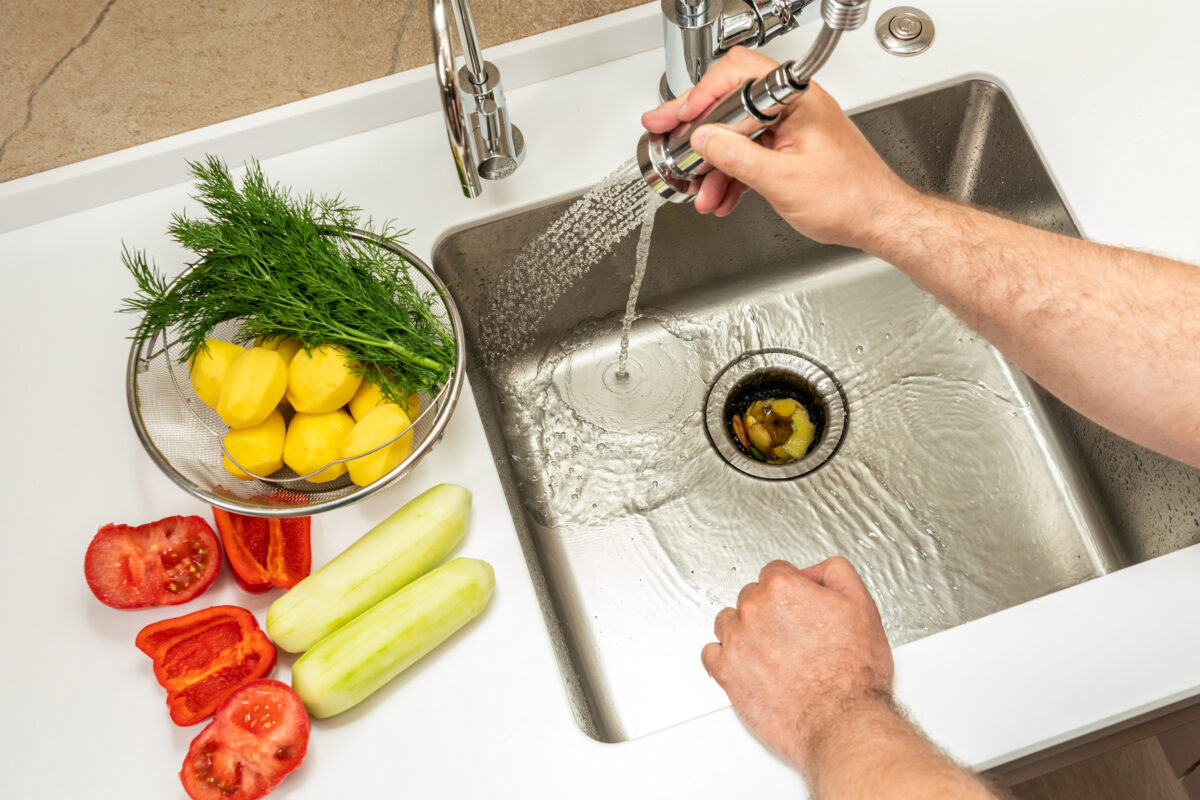
Your garbage disposal is a hardworking helper in your kitchen—but it’s not indestructible. Putting the wrong things down the drain can quickly lead to clogs, strange smells, or costly repairs. If you’re unsure about what belongs in your disposal (and what should never go near it), you’re not alone.

To keep things running smoothly, here are 7 garbage disposal basics every St. Louis homeowner should know.

1. Yes: Soft Food Scraps Are Usually Safe

Your garbage disposal is designed to handle small amounts of soft food waste. Things like cooked vegetables, fruit scraps (without pits), and small bits of cooked meat are generally okay. Just remember to run cold water while the disposal is in use to help carry the waste through your pipes.

2. No: Grease and Oil Are the Enemy

One of the worst things you can put down your garbage disposal is grease. While it goes down as a liquid, it solidifies as it cools and clings to your pipes. Over time, it can cause stubborn clogs not just in your sink—but deeper in your home’s plumbing.

3. Yes: Citrus Peels Help Freshen Things Up

Want a natural way to fight disposal odors? Toss in a few small citrus peels. The oils help break down buildup and leave a fresh scent behind. Plus, it’s a great way to use those lemon or orange rinds after juicing.

4. No: Fibrous Foods and Eggshells = Trouble

Celery, corn husks, onion skins, and even eggshells might seem harmless, but they can tangle around the blades or stick to the disposal walls. The stringy fibers don’t break down easily and are a common cause of jams.

5. Yes: Ice Cubes Can Clean the Blades

Grinding a few ice cubes can help knock off buildup from the inside of your unit and even sharpen the impellers a bit. Do this occasionally to keep your garbage disposal in good working shape. (Bonus tip: Add a splash of vinegar before the ice for extra cleaning power.)

6. No: Pasta, Rice, and Coffee Grounds Build Up Fast

Starches like pasta and rice expand when they get wet—and in a confined space like a drain pipe, that’s bad news. Coffee grounds also clump together and create sludge. These items belong in the trash or compost instead.

7. Know When to Call for Help

If your disposal starts humming without spinning, backs up into the sink, or smells worse than your trash can—it’s time to call in a pro. Beis Plumbing has helped countless St. Louis homeowners with disposal clogs, resets, and replacements.

And here’s a fun (but serious) stat: the EPA reports that 20% of household food waste ends up in landfills. Using your garbage disposal wisely not only protects your plumbing—it helps reduce waste, too.

Keep Your Disposal (and Kitchen) Running Smoothly

If you’ve been dealing with slow drainage, foul odors, or unusual noises, your garbage disposal may be trying to tell you something. Beis Plumbing offers fast, friendly service across the St. Louis area, and we’re happy to help get your kitchen back on track.

Contact us today to schedule a garbage disposal service or installation—we’re just a quick call away – 314-500-5325.

Categories Plumber

How To Tell If You Have Hard Water

how to tell if you have hard water

Ever notice chalky buildup on your faucets, soap that won’t lather, or laundry that feels stiff after washing? These might seem like minor annoyances, but they’re all clues that point to one common issue: hard water. If you’ve been wondering how to tell if you have hard water, you’re not alone—many St. Louis area homes deal with it every day.

Understanding the signs can help you take the right steps to protect your plumbing, improve comfort, and save money in the long run.

What Is Hard Water, Exactly?

Hard water contains high levels of dissolved minerals—mainly calcium and magnesium. While it’s not dangerous to your health, it can be tough on your home. In areas like St. Louis, where water is considered “moderately hard” by national standards, mineral buildup happens over time and affects everything from your shower routine to the lifespan of your appliances.

Signs You Might Have Hard Water

If you’re trying to figure out how to tell if you have hard water, keep an eye out for these telltale signs:

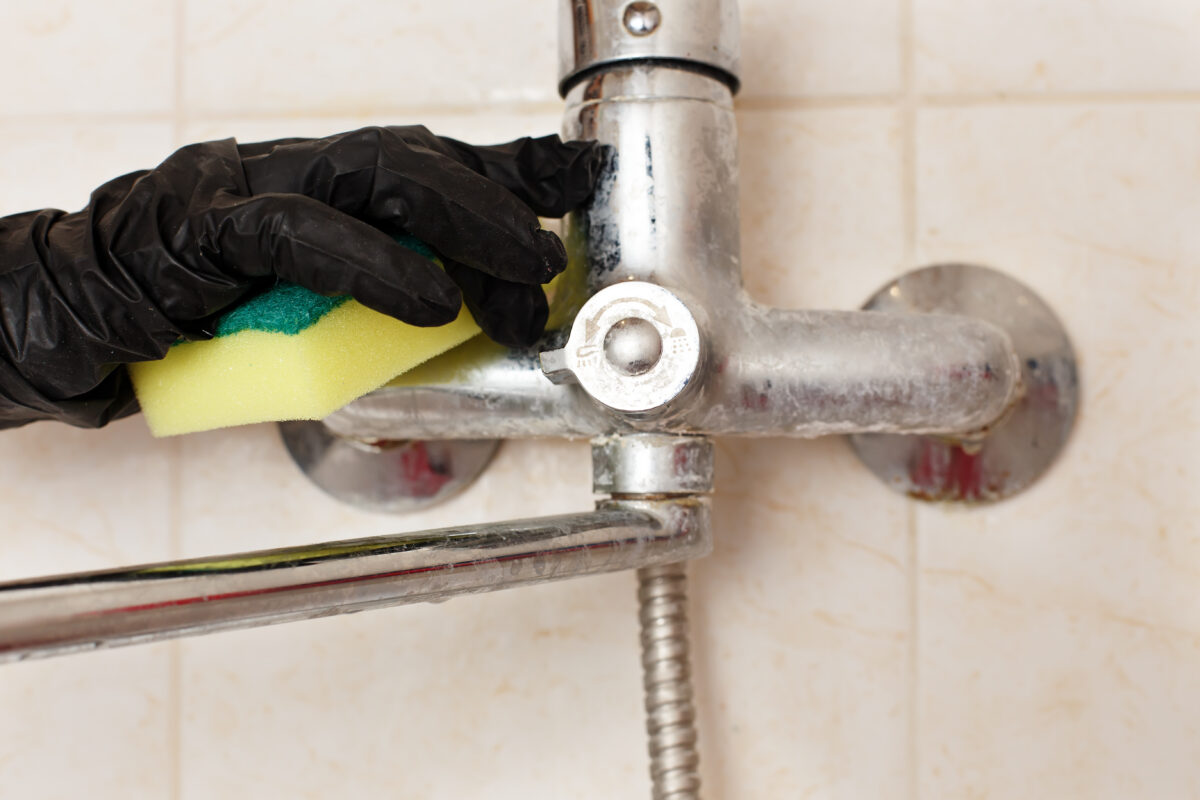
  • White, crusty buildup on faucets and fixtures
    These are calcium deposits—often called “limescale”—that form when hard water evaporates and leaves minerals behind.
  • Soap that doesn’t lather well
    Hard water makes it harder for soap to foam, so you may find yourself using more than usual to get the same clean feeling.
  • Spots on dishes and glassware
    Minerals in the water leave behind residue even after a full dishwasher cycle.
  • Dry, itchy skin or dull hair after showering
    Hard water can strip your skin and hair of natural oils, leading to irritation and buildup.
  • Stiff, faded laundry
    The minerals in hard water interfere with detergent, making clothes feel scratchy and look worn out more quickly.
  • Shortened lifespan of appliances
    Water heaters, dishwashers, and washing machines are especially vulnerable to scale buildup, which makes them work harder and wear out faster.

How To Confirm It

While the signs are helpful, the most accurate way to confirm hard water is to test it. You can purchase a simple test strip from a hardware store or call a professional plumber for a full water analysis. At Beis Plumbing, we offer in-home water testing across the St. Louis area to give you a clear picture of what’s flowing through your pipes.

According to the U.S. Geological Survey, over 85% of American homes have hard water—and the Midwest, including Missouri, sees some of the highest levels (source).

What You Can Do About It

If your home has hard water, the good news is that it’s fixable. Installing a water softener can make a dramatic difference in water quality, appliance longevity, and day-to-day comfort. These systems remove excess minerals before they enter your plumbing system, protecting everything from your showerhead to your water heater.

Beis Plumbing installs and maintains softeners for homes throughout the St. Louis metro—from Sunset Hills to Maryland Heights—and we’ll help you choose the system that’s right for your household.

Ready to Soften Things Up?

Still unsure how to tell if you have hard water or what to do about it? Let Beis Plumbing help. We’ll test your water, explain your options, and install the right solution to keep your home running smoothly and comfortably.

Reach out today to schedule your in-home water test or water softener consultation. Your pipes—and your skin—will thank you.

Categories Plumber

Saint Louis Water Quality – What You Need to Know & How to Improve Your Home’s Water Quality

water quality

Have you ever noticed a funny taste or cloudy appearance in your tap water? Maybe you’ve seen white spots on your dishes or felt your skin dry out after a shower. These are all subtle signs that your water quality might not be as good as it should be. For St. Louis homeowners, understanding what’s in your water—and how to improve it—can make a big difference in your daily comfort and long-term health.

What’s in Saint Louis Water?

St. Louis draws most of its water from the Missouri River, and while it goes through rigorous treatment, it still contains minerals and trace chemicals that affect its quality. In fact, the city reports that our water is considered “moderately hard,” meaning it contains higher-than-average levels of calcium and magnesium. These minerals aren’t harmful to drink, but they can cause scale buildup in pipes and appliances, and reduce the effectiveness of soaps and detergents.

Chlorine is another common element in St. Louis water. It’s added to disinfect the supply, but it can leave an unpleasant taste or smell. While safe in regulated amounts, some residents choose to filter it out for peace of mind.

Signs of Poor Water Quality at Home

Wondering if your home’s water needs a second look? Here are a few indicators:

  • Foul or chemical-like taste
  • Cloudy or discolored water
  • Mineral deposits on faucets or glassware
  • Dry skin and brittle hair after bathing
  • Laundry that feels stiff or fades quickly
  • Increased wear-and-tear on water-using appliances

If any of these sound familiar, your home may benefit from a filtration or softening system.

How to Improve Your Home’s Water Quality

Improving water quality doesn’t have to be complicated. Depending on your needs, there are several effective solutions:

  • Water softeners: Ideal for tackling hard water by removing excess calcium and magnesium. This helps prevent scale buildup and extends the life of your plumbing and appliances.
  • Whole-home filtration systems: These remove chlorine, sediment, and other contaminants before they reach your taps, improving taste and smell across every fixture.
  • Under-sink filters: A great solution for drinking water if you’re only concerned about taste or chlorine.
  • Reverse osmosis systems: These offer high-level filtration and are popular for homes where water quality is a major concern.

At Beis Plumbing, we’ve installed water treatment systems all across the St. Louis area—from newer homes in Chesterfield to century-old properties in Shaw. Every home is different, which is why we recommend a quick water test to identify exactly what you’re dealing with.

Why It Matters

Better water doesn’t just taste better—it protects your plumbing, helps your skin and hair feel healthier, and saves you money on soap, detergent, and appliance repairs. According to the U.S. Geological Survey, hard water reduces water heater efficiency by up to 24%, meaning poor water quality could be costing you more than you think (source).

Let’s Improve Your Water—Together

If you’re unsure about the water quality in your St. Louis home, don’t wait for it to become a problem. Beis Plumbing can test your water, walk you through your options, and install the right system to meet your needs. From softeners to whole-home filters, we’ll make sure your family gets the clean, comfortable water you deserve.

Contact us today to schedule a consultation and take the first step toward better water.

Categories Plumber

Commercial Plumbing Repair Expectations and Tips

commercial plumbing repair

When plumbing problems pop up in a commercial setting, they can quickly turn from a small inconvenience into a major disruption. Whether it’s a leaking pipe in a restaurant kitchen or a clogged restroom drain in an office building, commercial plumbing repair requires quick action, specialized skill, and minimal downtime.

If you’re a business owner or property manager in St. Louis, knowing what to expect—and how to stay ahead of future issues—can save you stress, time, and money.

What to Expect from a Commercial Plumbing Repair

Unlike residential jobs, commercial plumbing systems are often larger, more complex, and used far more frequently. This means repairs require a technician who understands everything from code compliance to large-scale drainage systems.

Here’s what a typical repair process looks like:

  • Thorough inspection: A licensed plumber will assess the issue, often using video inspection or pressure testing to locate the root cause quickly.
  • Clear communication: You’ll receive a detailed explanation of the issue, the repair options, timelines, and pricing.
  • Minimal disruption: Reputable plumbers understand the importance of keeping your business running. Repairs are done efficiently, often outside of peak hours if needed.
  • Compliance and documentation: For many commercial buildings, repairs need to meet specific local and state codes. You’ll receive documentation confirming that the work was done to code.

At Beis Plumbing, we know how important it is to limit business interruption, especially for restaurants, retail spaces, and medical offices. We work fast, cleanly, and with the goal of getting you back to business ASAP.

Tips to Avoid Future Plumbing Issues

While some issues are hard to predict, regular maintenance and a few smart practices can go a long way in preventing emergency repairs. Consider these tips:

  • Schedule routine inspections: Preventative checks help identify wear-and-tear or buildup before it becomes a full-blown problem.
  • Educate staff: Employees should know what not to flush or pour down drains to avoid clogs.
  • Install strainers and grease traps: Especially important in food service environments, these reduce the risk of blockages.
  • Monitor water usage: Unusually high bills may signal a hidden leak.
  • Know your shut-off valves: In case of an emergency, knowing how to quickly stop the water supply can prevent major damage.

Local Insight for St. Louis Businesses

Older commercial buildings in neighborhoods like Downtown, Soulard, and The Grove often have aging plumbing systems that need extra attention. From outdated galvanized pipes to low water pressure, we’ve seen firsthand how regular maintenance can prevent unexpected repairs.

According to the EPA, 10% of commercial buildings have leaks that waste 90 gallons or more per day, costing businesses hundreds of dollars each year (source).

Let Beis Plumbing Handle It

If your business is facing a plumbing issue—or you just want peace of mind—call the professionals at Beis Plumbing. We specialize in commercial plumbing repair throughout the St. Louis region, offering fast response times, honest communication, and reliable solutions.

Let us help you protect your investment and keep your operations flowing smoothly.

Watch our Interview from Great Day St. Louis About Our Plumbing Services!