
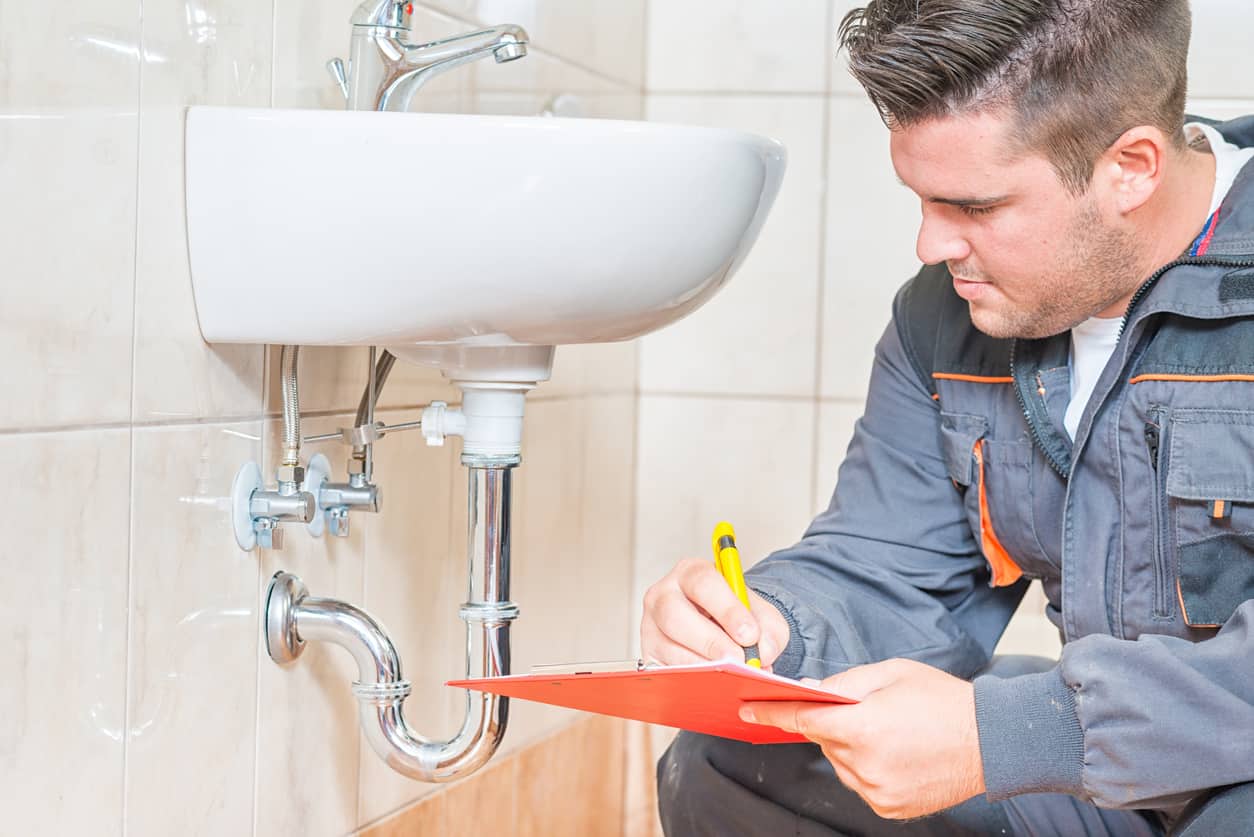

If you’ve never booked a plumbing inspection before, you might not be sure what to expect. What exactly are plumbers looking for, and why does it matter if everything seems to be working fine? A thorough inspection is like a health checkup for your home’s water and drainage systems, catching small issues before they turn into expensive emergencies.
Why a plumbing inspection is worth it
Many leaks and defects hide behind walls, under floors, or in the yard where you can’t see them. According to the U.S. Environmental Protection Agency’s WaterSense program, household leaks can waste more than 10,000 gallons of water per home every year – enough for hundreds of loads of laundry. That’s a powerful reason to schedule a $70 whole-home plumbing inspection with a licensed plumber instead of waiting for a visible problem.
During a visit, your plumber doesn’t just glance at fixtures. They follow a structured plumbing inspection checklist that covers your entire system, from the water meter to the sewer line.
Key areas a plumbing inspection covers
1. Water supply and shut-off valves
Your plumber will:
- Locate and test the main shut-off valve
- Check individual fixture shut-offs under sinks and behind toilets
- Look for signs of corrosion, mineral buildup, or slow leaks
If a sudden leak happens, a working shut-off can be the difference between a quick mop-up and major water damage. When there are signs of hidden issues behind walls or under slabs, your plumber may also recommend a professional leak detection service to pinpoint the exact source.
2. Fixtures, taps, and toilets
A full plumbing inspection always includes sinks, showers, tubs, and toilets. The plumber checks:
- Water pressure and flow
- Drips, stains, and loose fittings
- Toilet flushing performance and tank components
Even a slow-dripping faucet or running toilet can send your water bill soaring over time.
3. Drains and sewer line
Slow drains are more than an annoyance. During the inspection, the technician may use a sewer/main line camera inspection to:
- Look for partial blockages from grease, hair, or debris
- Spot root intrusion in older sewer lines
- Identify pipe sagging, cracks, or misaligned joints
If the inspection uncovers stubborn clogs, rooter drain clearing can restore proper flow before those small issues turn into messy backups.
4. Water heater and appliances
Your water heater works hard every day. As part of this visit, the plumber will:
- Check age, capacity, and installation
- Inspect for rust, leaks, or gas and electrical issues
- Verify temperature settings and safety valves
The U.S. Department of Energy recommends setting most household water heaters to around 120°F to balance safety, comfort, and energy efficiency.
They may also look over dishwashers, washing machines, and other water-using appliances for hidden leaks and worn hoses. If your plumber finds serious wear or safety concerns, they may recommend water heater repair in St. Louis to restore safe, reliable hot water.
How often should you schedule a plumbing inspection?
For most homes, a routine plumbing inspection every one to two years is a smart preventive step. Older houses, homes with large trees near sewer lines, or properties that have had previous leaks or backups may benefit from annual visits.
Pairing a yearly inspection with other home maintenance – like roof or HVAC servicing – makes it easier to remember and budget for. State agencies such as the Missouri Department of Natural Resources also encourage homeowners to repair leaks promptly to conserve water and protect local supplies. The small upfront cost of a plumbing inspection is minor compared to emergency call-outs, water damage repairs, or replacing damaged flooring and cabinets.
Ready to protect your home?
If you’re noticing higher water bills, slow drains, or just haven’t had a plumbing inspection in a few years, now is the perfect time to schedule one. A professional, whole-home plumbing inspection will give you a clear picture of your system’s condition and a prioritized list of any repairs. Contact Beis Plumbing team today to book your inspection and keep your home safe, efficient, and leak-free.